


Trade Agreement
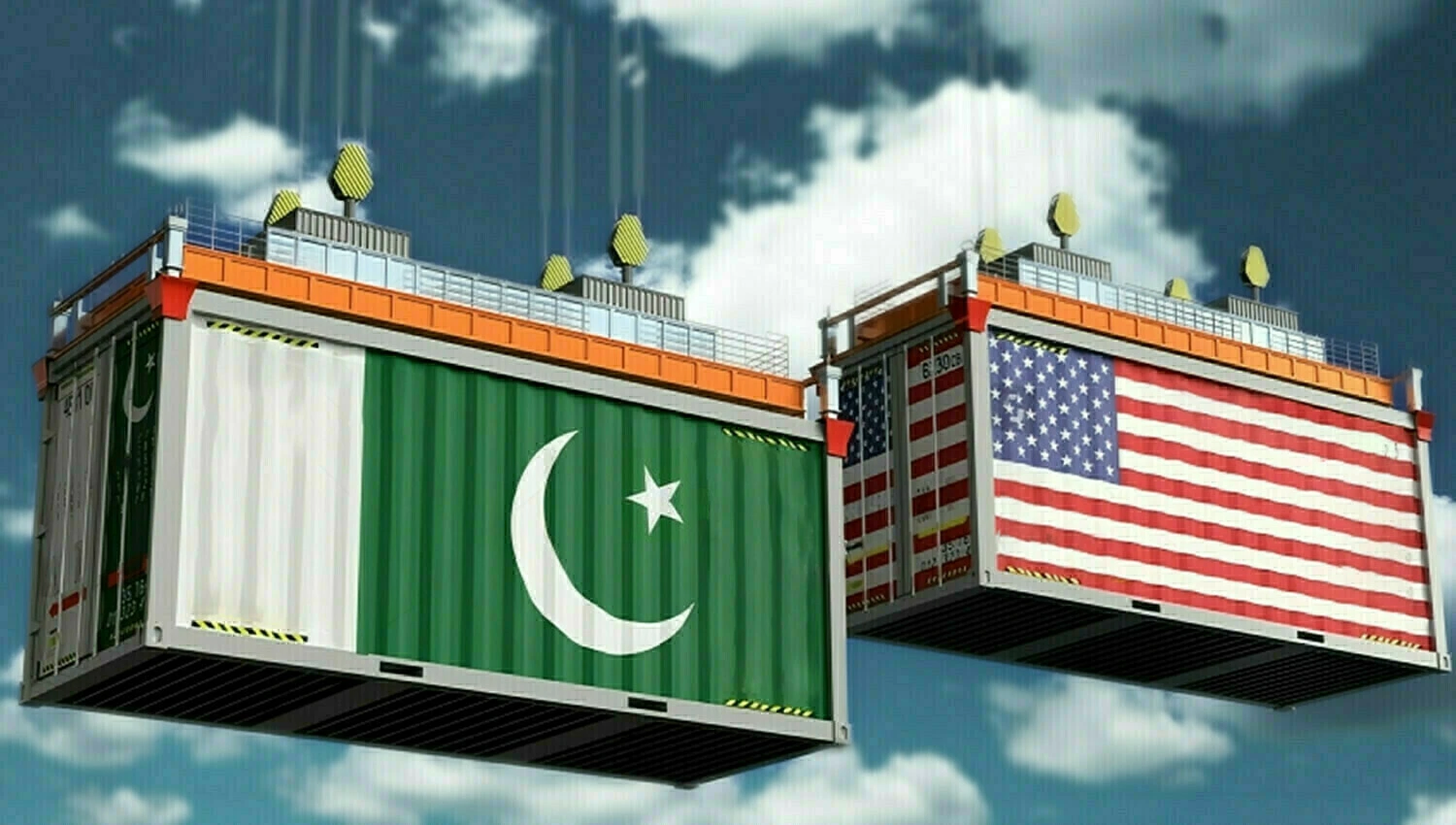
Trade negotiations between Pakistan and the United States have recently gained significant momentum, with both sides working quickly toward finalizing a trade deal as early as next week.
A key development in the ongoing talks is Pakistan’s offer to increase its imports of American goods, particularly cotton and soybeans, as part of a broader strategy to reduce its trade surplus with the U.S. by nearly half. This move aims to help Pakistan avoid potential U.S. tariffs that had threatened to disrupt bilateral trade.
This rapid progress follows a high-profile meeting at the White House between Pakistan’s Army Chief General Asim Munir, and U.S. President Donald Trump.
During the meeting, the two leaders discussed various geopolitical and economic issues, including the tense situation in Iran, highlighting the strategic dimension underpinning the trade discussions.
Pakistan is already the second-largest importer of U.S. cotton by value, trailing only China. The country mainly exports garments and textiles to the American market, making cotton a critical raw material in its export supply chain.
To further increase imports of American cotton, Pakistani textile manufacturers have expressed their willingness to purchase more from the U.S., which aligns with America’s goal of immediately reducing its trade deficit with Pakistan.
Sarah Javaid, a trade economist with the All Pakistan Textile Mills Association, explained that Pakistan’s textile industry is actively working to increase the proportion of U.S. cotton in its value-added garments, facilitating this bilateral trade balance adjustment.
The negotiations took on additional urgency after a ceasefire was declared following a sharp escalation of tensions between India and Pakistan in April, sparked by a terrorist attack in Kashmir.
While New Delhi accused Islamabad of sponsoring the attack, Pakistan denied involvement. This fragile peace has opened the door for renewed economic engagement between Pakistan and the U.S.
Despite Pakistan’s opposition to the U.S. airstrikes in Iran, the two countries have managed to come closer to a trade agreement in less than a month. This development contrasts with India’s more cautious and tougher stance in its own trade talks with Washington, highlighting how political considerations have become more influential in shaping trade outcomes.
Manzoor Ahmad, a former Pakistani ambassador to the World Trade Organization, noted that political factors now dominate the negotiations, adding that Pakistan’s relatively smaller market size makes it easier for the U.S. to accommodate minor adjustments to its trade policies with Islamabad.
This evolving trade relationship presents both economic opportunities and strategic advantages for Pakistan, which counts the U.S. among its major export markets. The ongoing talks aim to create a mutually beneficial framework that strengthens bilateral economic ties and supports Pakistan’s efforts to navigate complex international trade challenges.
