

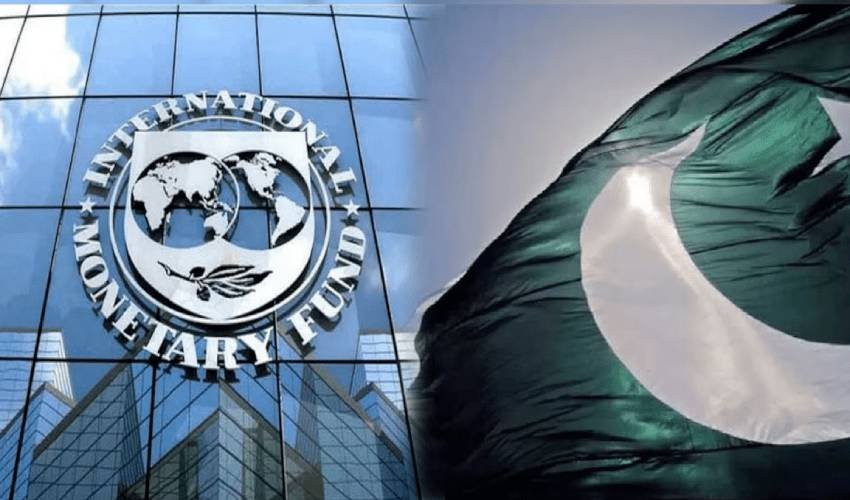

Pakistan will introduce its first deregulated electricity market in March 2026, aiming to lower power costs for industrial consumers and meet key requirements set by the International Monetary Fund. Officials say the move could reshape the country’s energy landscape while supporting large-scale manufacturing growth.
Power market launch and pricing structure
Authorities confirmed that the competitive market will initially auction 200 megawatts of electricity. The new system will specifically target B3 and B4 industrial consumers, who will benefit from the removal of capacity charges in this segment. As a result, eligible industries will pay significantly lower electricity rates than before.
Under the plan, officials have fixed grid usage charges at Rs. 6 per unit for B3 consumers and Rs. 9 per unit for B4 consumers. Moreover, large industrial buyers will pay only installation costs to electricity companies. Distribution companies, however, will continue to earn wiring fees for providing grid access. Policymakers believe this pricing model will encourage efficiency and attract more industrial participation in the energy market.
Expected impact on industry and energy reforms
The government has already set up independent market operators to supervise electricity trading and ensure transparency. Initially, only consumers with a minimum demand of one megawatt will qualify for participation. However, authorities expect the market supply to expand steadily to about 800 megawatts over the next four years.
Energy experts say the reform could reduce production costs for manufacturers and improve Pakistan’s export competitiveness. At the same time, officials hope the move will satisfy IMF reform conditions and help stabilise the power sector’s finances.
For many industrial players struggling with high electricity bills, the upcoming deregulated market offers cautious optimism. If implemented smoothly, the policy could mark a meaningful shift toward a more competitive and sustainable energy system in Pakistan.
