

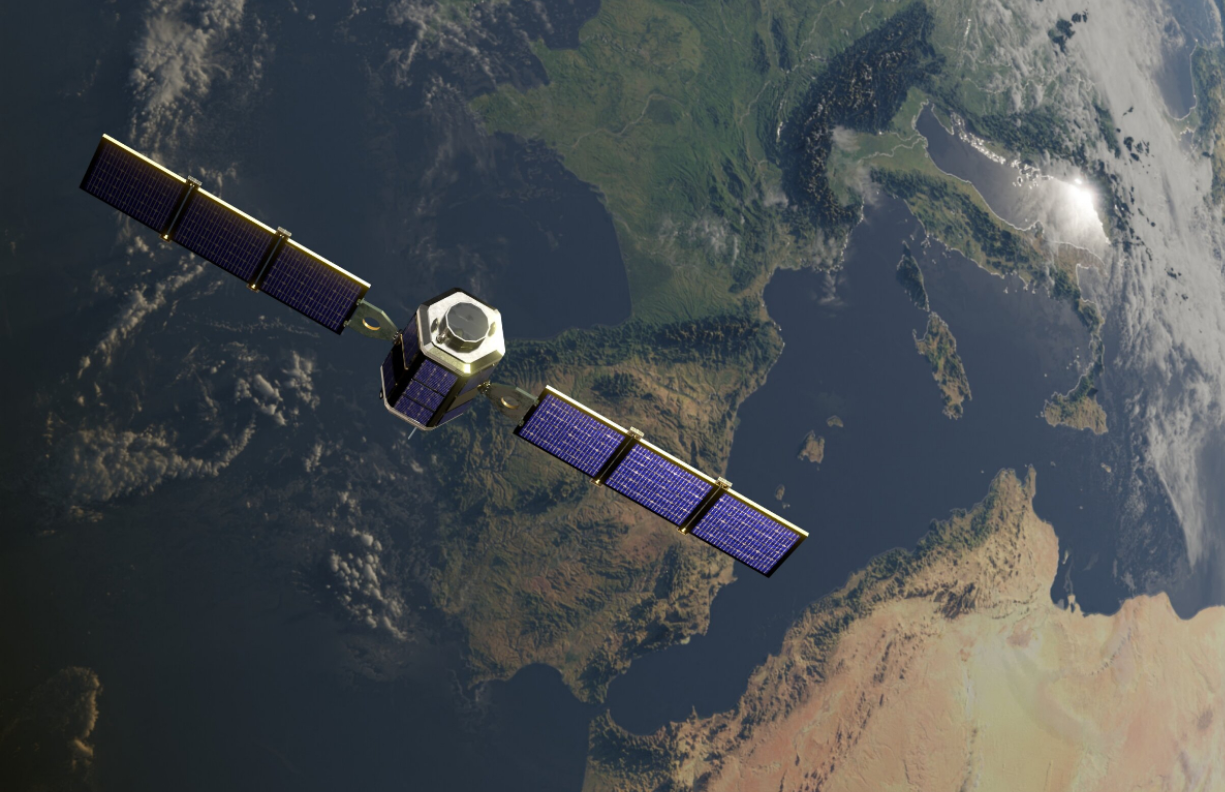

Pakistan is preparing to launch a state-of-the-art remote sensing satellite on July 31, marking another key milestone in its space exploration and technological advancement. The satellite will be launched from the Xichang Satellite Launch Center in China, under the supervision of SUPARCO, the Space and Upper Atmosphere Research Commission.
This new satellite is primarily designed to address critical agricultural needs. It will offer high-resolution imagery to monitor crop health, assess agricultural yields, and support food security planning. By providing accurate and timely data, the satellite will help optimize the use of land and water resources, identify crop stress earlier, and enhance decision-making in the agricultural sector.
In addition to agriculture, the satellite is expected to contribute significantly to urban development planning. Its remote sensing capabilities will provide detailed maps and spatial data essential for managing city infrastructure, monitoring construction activities, and planning sustainable urban growth.
Moreover, the satellite will serve as a valuable tool for disaster management. Equipped with sensors designed to detect environmental changes, it will enable early warnings for floods, landslides, and earthquakes. This feature will bolster Pakistan’s preparedness and response strategies to climate-induced natural hazards, thereby safeguarding lives and infrastructure.
The upcoming launch reflects Pakistan’s ongoing commitment to advancing its space science capabilities. It represents a major step toward utilizing space technology to address real-world challenges, particularly in areas vulnerable to climate change and food insecurity.
This initiative aligns with the broader goals of national development by integrating scientific innovation with social and economic needs. As space technologies become increasingly vital in global development strategies, Pakistan’s investment in satellite-based solutions places it on a path toward sustainable progress.
