

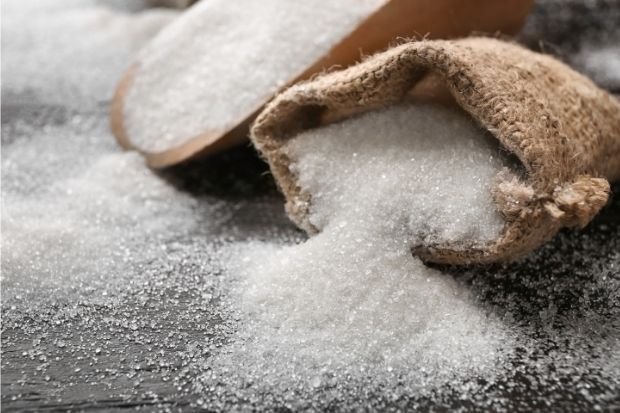

In response to escalating sugar prices in the domestic market, the Government of Pakistan has finalized a decision to import 200,000 tons of sugar. The move is part of a broader strategy aimed at stabilizing the market and providing much-needed price relief to consumers.
According to a spokesperson for the Ministry of National Food Security, the official order for sugar importation has been issued, and the first shipment is expected to arrive in Pakistan by early September 2025. The spokesperson stated that this step is intended to ensure adequate supply and to bring balance to the pricing of sugar, which has seen a sharp rise in recent weeks.
The government has reportedly negotiated a discounted rate for sugar in the international market, which could reduce the overall financial impact of the import. This discount is expected to not only ease the strain on public resources but also help prevent additional burden on consumers.
Authorities hope that the availability of imported sugar will help ease market pressure by increasing supply, thereby stabilizing prices and curbing the hoarding and profiteering that typically accompany shortages.
The announcement follows a directive from the Prime Minister, who has called for strict action against price manipulation and unjustified hikes in sugar rates. The government aims to ensure that this imported sugar reaches consumers through transparent and regulated distribution channels.
However, the decision has not been without controversy. The International Monetary Fund (IMF), which is currently overseeing a $7 billion loan program with Pakistan, has raised serious concerns regarding the proposed subsidies and tax exemptions associated with the sugar import.
According to official sources, the IMF has expressed disapproval of the government’s plan to offer a subsidy of Rs55 per kilogram on the imported sugar, which is expected to be brought in at a cost of Rs249 per kg. The global financial body has cautioned that such measures could potentially undermine the broader fiscal reforms agreed upon under the ongoing loan program.
The IMF has also rejected Pakistan’s justification that the sugar import qualifies as part of “food emergency” measures. This difference of opinion highlights ongoing tensions between short-term relief efforts and long-term economic stability commitments made under international financial agreements.
While the government is keen on offering immediate relief to the population facing rising food costs, particularly in the lead-up to the next budget cycle, the opposition from the IMF may complicate fiscal negotiations.
The success of this import strategy will largely depend on how well the authorities manage the logistics, pricing mechanisms, and subsidy implementation without further straining the national budget or violating loan conditions.
As the first shipment arrives in September, stakeholders will be watching closely to assess the impact of this intervention on market dynamics, consumer affordability, and Pakistan’s ongoing financial obligations.
