

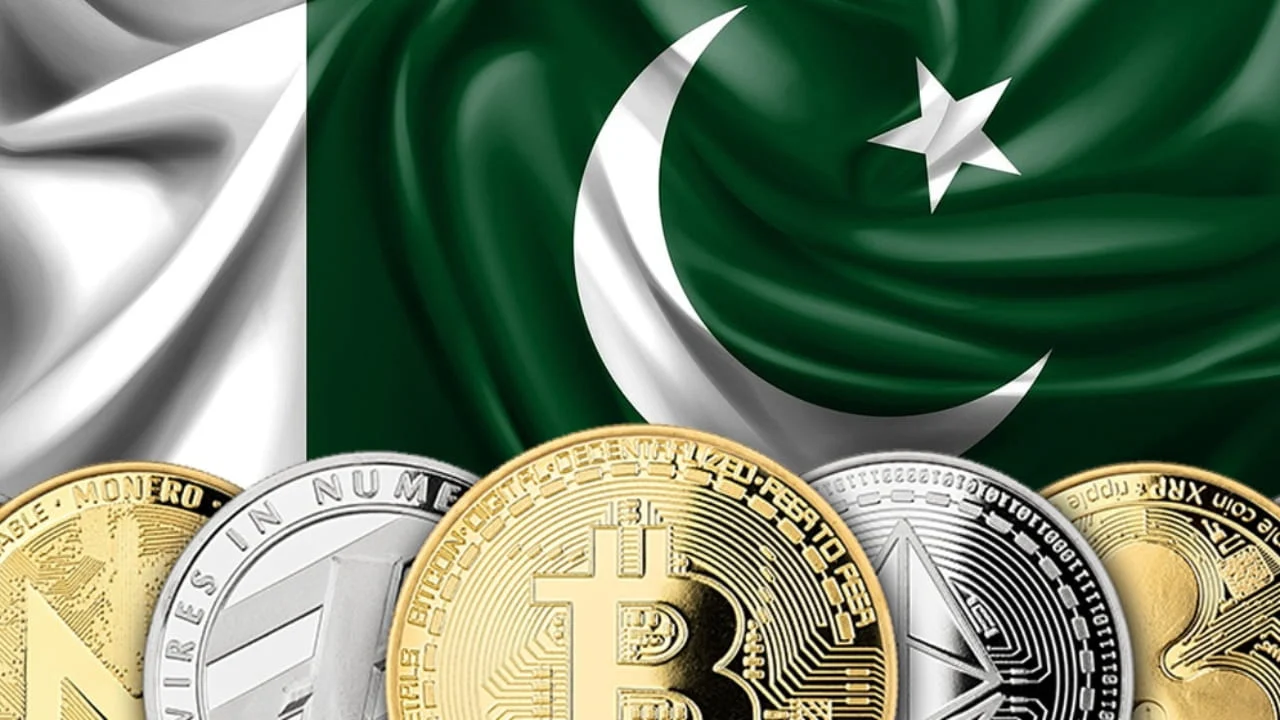

Pakistan’s Untapped Crypto Wealth and Regulatory Gaps
Pakistanis may currently hold between $20 billion and $30 billion in cryptocurrency assets, according to financial experts at the Sustainable Development Policy Institute’s (SDPI) annual conference. Despite the growing interest and substantial investment, Pakistan lacks any formal legal framework to recognize or monitor crypto-related transactions. Analysts warned that the absence of regulation could cost the country significant economic opportunities, as global financial systems increasingly embrace digital currencies.
Speakers at the conference emphasized that the true size of Pakistan’s crypto market remains uncertain due to the unregulated environment. However, they projected that local trading volumes could eventually climb as high as $300 billion, nearing the nation’s $400 billion GDP. Experts stressed that the government must act swiftly to create a balanced and secure regulatory framework. They proposed a phased approach to legalization to prevent risks such as fraud, hacking, and financial instability. Without such measures, Pakistan risks being left behind in the rapidly evolving global fintech landscape.
Central Bank Digital Currency and the Path Forward
One key proposal discussed was the introduction of a Central Bank Digital Currency (CBDC), aimed at lowering remittance costs and bringing informal digital transactions under official oversight. Zafar Masud, President of the Pakistan Banks Association, stated that if Pakistan acts early, the economy could gain up to $25 billion. He also revealed that the government is “seriously considering a rupee stablecoin” as part of its broader digital transition plan.
Despite the optimism, experts highlighted major challenges, including cybersecurity threats and public mistrust of digital currencies. Officials from the State Bank of Pakistan confirmed that a CBDC prototype has been under development since 2022, with assistance from the World Bank and the IMF. The pilot phase is expected to begin after successful testing.
In conclusion, the experts agreed that digital financial systems could reduce remittance expenses, promote inclusion, and align Pakistan with global fintech trends. However, further delay in regulation may isolate Pakistan from the next wave of digital economic growth.
