


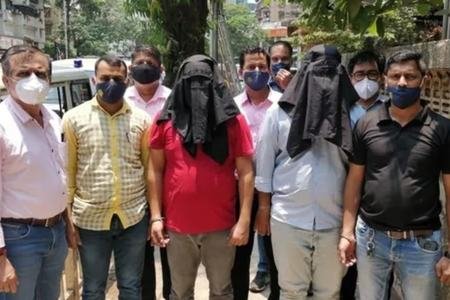
The Spokesperson of the Ministry of Foreign Affairs of Pakistan has expressed serious concern another report of theft and illicit sale of radioactive material in India. In the latest incident, two Indians have been arrested for illegal possession of Californium, which is a highly radioactive and toxic substance.
It is a matter of grave concern for the international community that an extremely rare Sealed Radioactive Source (SRS) material like Californium could be stolen. As in the previous cases, the arrested individuals apparently got hold of the radioactive material by purchasing it from inside India.
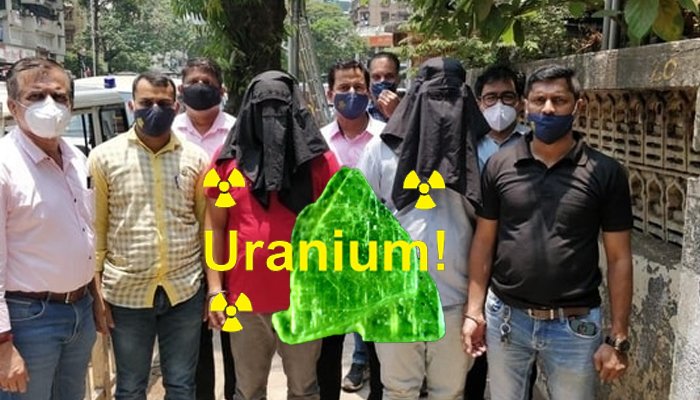
This is the third such occurrence in India in the last four months. Earlier media reports had highlighted separate seizures in May and June 2021 of over 7 kg and more than 6 kg of Uranium from unauthorized persons in India.
These repeated incidents raise serious concerns about the safety and security of nuclear and other radioactive materials in India, and the possible existence of a black market for such materials inside the country. It also indicates the lax arrangements inside India to secure imported SRS material. Pakistan reiterates its call for a thorough investigation and adequate measures to prevent their recurrence.
Pakistan’s Foreign Office has rightly highlighted this important issue, calling for a “thorough investigation into such incidents” while adding that the reports “point to lax controls … as well as possible existence of a black market for nuclear materials”. Considering the nature of these reports, the international community must not remain silent and demand answers from the Indian government. An EU spokesman when questioned about the possible proliferation activities said that the bloc “is aware of the information and understands that the Indian authorities are investigating”.
The fact is that reports of possible proliferation must be taken very seriously. For example, the use of nuclear material by non-state actors in a ‘dirty bomb’ has been raised by the international community as a threat to global security. Moreover, certain states have pointed fingers at this country for supposed lax security protocols when former IAEA chief Yukia Amano had said that Pakistan “is an experienced user of peaceful nuclear technology” during a visit to Karachi in 2018. Also, Western states have questioned Iran’s nuclear activities, whereas the Islamic Republic insists it is not pursuing atomic weapons. The point is that there should be one standard where nuclear safety is concerned.
If the Indian state itself has arrested individuals involved in possible proliferation, then the international community, through the IAEA, must demand a thorough and transparent probe to ensure sensitive atomic material does not fall into the wrong hands. The Indian government must speed up the pace of investigations and make the findings public, otherwise fears of a nuclear black market will only grow.
Pakistan has every right to be concerned that nuclear material does not fall into the hands of non-state actors working against this country. If the international community continues to maintain its silence on these alarming reports, it will give credence to the belief that those who control the global order choose to cherry-pick issues of concern. Where nuclear safety is concerned, this position is simply not tenable.
