
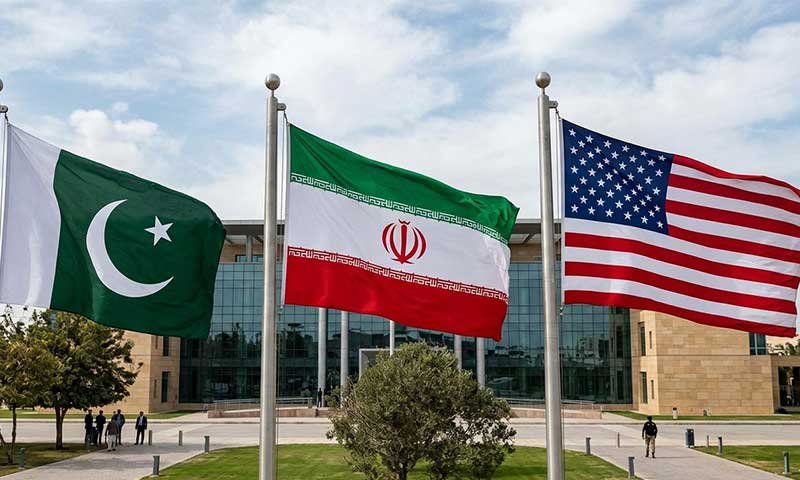

ISLAMABAD: Pakistan has shocked its arch rivals, India and Israel, with a sudden US-Iran war ceasefire announcement this morning. No one was expecting a sudden ceasefire deal, and the development has been a surprise for many, especially the war mongers such as Israel and India.
Pakistan’s unexpected rise as a diplomatic bridge between the United States and Iran is reshaping regional dynamics, with analysts noting unease in India and Israel over Islamabad’s central role.
A two-week pause in hostilities followed intensive backchannel diplomacy facilitated by Pakistan, which urged both sides to de-escalate and pursue dialogue before the conflict intensified further. Consequently, Islamabad has positioned itself at the center of one of the region’s most critical negotiations.
The development has sparked strong reactions online and among observers. Some commentators expressed surprise at Pakistan’s rapid дипломатический ascent, while others acknowledged its growing influence. At the same time, Israeli officials remain cautious about any arrangement that could ease pressure on Iran.
Moreover, analysts argue that Pakistan’s visibility challenges existing regional power calculations. For India, which has long sought to project itself as a global diplomatic player, the shift in optics has triggered debate within strategic circles and media commentary.
Pakistan’s role, however, did not emerge overnight. Prime Minister Shehbaz Sharif and Foreign Minister Ishaq Dar maintained active communication with both Tehran and Washington in recent weeks, consistently advocating restraint.
In addition, Pakistan’s روابط with Gulf states, its working relationship with Iran, and its security ties with the United States have enabled it to act as a credible intermediary during peak tensions.
Meanwhile, global markets reacted swiftly to signs of de-escalation. Oil prices fell below $100 following news of the ceasefire, reflecting optimism that stability could return to energy markets.
Looking ahead, Pakistan is expected to continue relaying messages between both sides while coordinating with regional partners to prevent further escalation and potentially transform the temporary truce into a lasting agreement.

