


Indus Waters Treaty Dispute
Pakistan has officially lodged a strong protest against India’s recent move to suspend the Indus Waters Treaty (IWT), terming the unilateral action as both illegal and a direct violation of the internationally recognized agreement.
The protest was conveyed through a formal letter sent by Pakistan’s Secretary of Water Resources, Syed Ali Murtaza, to his Indian counterpart, according to credible diplomatic sources.
In the detailed letter of protest, Pakistan categorically rejected India’s assertion that it could suspend the treaty. It stressed that the IWT does not contain any clause or provision that permits one party to unilaterally suspend, alter, or withdraw from the treaty. “The language of the treaty is clear and unambiguous — there is no concept of unilateral suspension embedded in the agreement,” the letter states.
Pakistan reaffirmed its unwavering commitment to the original framework of the Indus Waters Treaty, asserting that it continues to view the agreement as binding and fully operational. The letter makes it clear that Islamabad will not accept any attempt by New Delhi to introduce unilateral changes or disrupt the water-sharing mechanism established under the treaty.
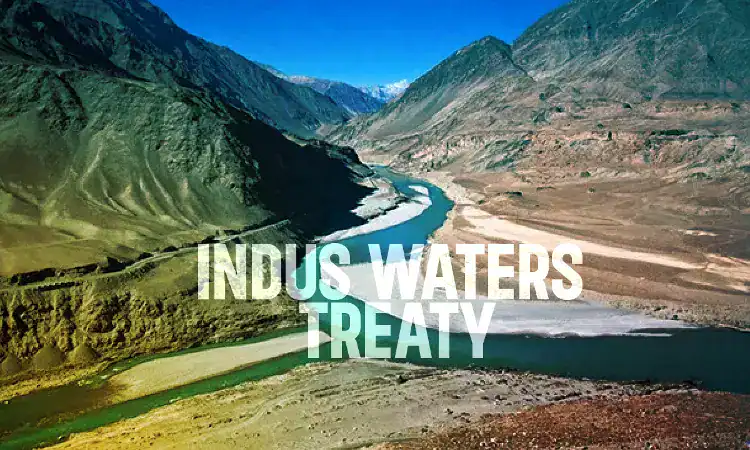
The Indus Waters Treaty, signed in 1960 under the auspices of the World Bank, has for decades served as a rare example of successful water cooperation between two hostile neighbours. It governs the distribution and usage of the Indus River system, comprising six rivers that flow from India into Pakistan.
The treaty allocates the three eastern rivers (Ravi, Beas, and Sutlej) to India and the three western rivers (Indus, Jhelum, and Chenab) to Pakistan, while allowing limited use of the western rivers by India under strict technical parameters.
India’s move to suspend the treaty has alarmed policymakers in Islamabad, who view it as a dangerous escalation with potentially severe implications for regional stability.
Experts warn that tampering with water agreements could exacerbate tensions between the two nuclear-armed nations, particularly at a time when broader bilateral relations remain strained.
By formally protesting India’s decision, Pakistan is attempting to rally international attention and reassert the importance of upholding internationally brokered treaties.
The letter concludes by urging India to respect its legal obligations and engage constructively to resolve differences through diplomatic channels rather than unilateral actions.
