

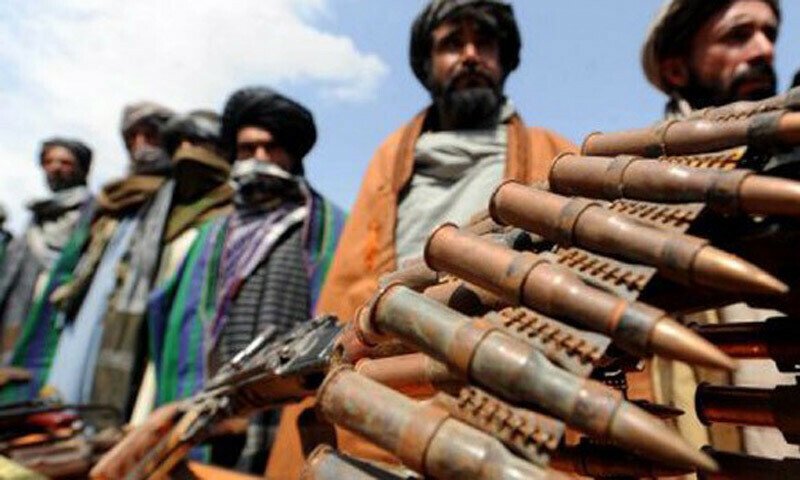

The Pakistani Foreign Office has described a cautiously optimistic shift in engagement with the Afghan Taliban over Pakistan’s long-standing concern about terrorist sanctuaries in Afghanistan. In a briefing, FO spokesman Shafqat Ali Khan conveyed that Kabul is showing “receptivity” to Islamabad’s repeated calls over the presence of Tehreek‑i‑Taliban Pakistan (TTP) fighters allegedly sheltering on Afghan soil.
Since the Taliban’s return to power in 2021, Pakistan has accused Kabul of harboring around 3,000–4,000 TTP militants who have resumed cross-border attacks, particularly in Khyber Pakhtunkhwa and Balochistan. The ceasefire brokered in November 2022 collapsed quickly. While Pakistan cites deep ideological affinity and Afghan inaction as enablers, the Taliban regime consistently denies formal involvement.
However, recent bilateral engagement—including Foreign Minister Ishaq Dar’s April visit to Kabul—has thawed tensions. In subsequent talks, the Afghan side tentatively agreed to a “phased process” to disarm and relocate TTP elements closer to the Afghan interior, away from the Pakistan border, a rare acknowledgment of Islamabad’s concerns.
Following that diplomacy, Interior Minister Mohsin Naqvi and envoy Ambassador Muhammad Sadiq held detailed security consultations with Afghan Interior Minister Sirajuddin Haqqani, focusing on the TTP threat, drug trafficking, refugee issues, and border management. These discussions have sparked cautious optimism that cooperation may improve in the security domain.
Parallel Diplomacy: Expanding Trade, US Ties, and Regional Stability
On the economic front, Pakistan’s FO noted that Islamabad and Kabul are also working to resolve logistical, customs, and procedural impediments to trade, with positive momentum on improving bilateral commerce.
Taliban Foreign Minister Amir Khan Muttaqi is anticipated to visit Islamabad in coming weeks, cementing follow-up on multiple strategic issues. Meanwhile, Foreign Minister Ishaq Dar is in the United States this week to meet US Secretary of State Marco Rubio. The agenda includes bilateral ties, regional issues such as Iran and the Middle East, and the recent Pakistan‑India border tensions. Khan reaffirmed Pakistan’s commitment to diplomatic resolution and appreciation for US mediation during the May skirmish sparked by militant attacks in Kashmir.
Echoing Pakistan’s consistent policy stance, Khan emphasized that meaningful dialogue and peaceful settlement remain priorities. He invited India to engage in diplomacy and stated Islamabad’s readiness to negotiate, while noting that India’s policy direction remains its own decision.
