
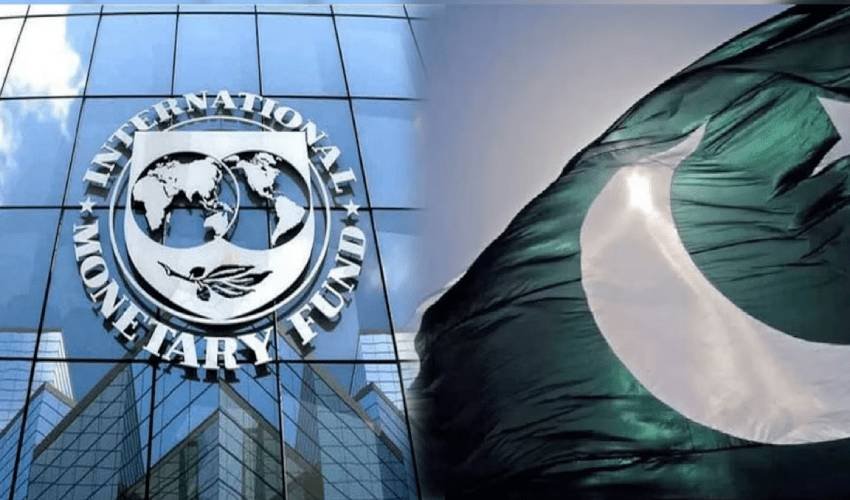

International Monetary Fund has reached a staff-level agreement with Pakistan. The deal follows the latest review of ongoing financial programmes. It is expected to unlock a fresh disbursement of about $1.2 billion.
The agreement covers the third review of the Extended Fund Facility and the second review of the Resilience and Sustainability Facility. However, the funding will only be released after approval by the IMF Executive Board.
If approved, Pakistan will receive about $1.0 billion under the Extended Fund Facility. Another $210 million will come through the sustainability programme. This will bring total disbursements to nearly $4.5 billion under both arrangements.
Economic Stability Improves Amid External Risks
The IMF said Pakistan’s economy is showing signs of improvement. Economic activity is picking up pace. Inflation remains under control. The current account balance is also stable.
The Fund noted that market confidence is gradually returning. External financial buffers are improving as well. These developments reflect ongoing policy reforms supported by the IMF programme.
However, risks remain. The ongoing tensions in the Middle East could impact global markets. Rising oil prices may increase inflation. Tighter financial conditions could also slow growth.
The IMF warned that such external shocks may pressure Pakistan’s economy. Energy costs and imports could rise further. This may affect the country’s fiscal and external balance.
Tax Reforms and Fiscal Discipline in Focus
Pakistan and the IMF worked closely to finalize policy details. Both sides exchanged drafts of the Memorandum of Economic and Financial Policies. This process helped shape the agreement.
A key focus is improving tax collection. The IMF has proposed a target of Rs15.08 trillion for the Federal Board of Revenue. Authorities are working to expand the tax base and improve compliance.
Reforms include stronger tax audits and digital invoicing systems. Production monitoring is also being enhanced. These steps aim to increase transparency and efficiency.
The government is also expected to maintain strict fiscal discipline. Spending will be controlled while priority sectors will receive more funds. These include health, education, and social protection programmes.
Energy Reforms and Monetary Policy Tightening
The IMF has stressed the need for energy sector reforms. Authorities are advised to adjust tariffs on time. This will ensure cost recovery and reduce financial losses.
Untargeted subsidies should be avoided. The focus should remain on sustainable energy pricing. Structural reforms are also planned to reduce circular debt.
Pakistan is also working to improve electricity transmission and distribution. Inefficient power companies may be privatized. The shift toward renewable energy is being encouraged.
On monetary policy, the State Bank of Pakistan is expected to remain cautious. Interest rates may increase if inflation rises again. The IMF advised a data-driven approach to policy decisions.
Exchange rate flexibility will continue to play a key role. It will help absorb external shocks and stabilize the economy.
The IMF also highlighted social protection efforts. The Benazir Income Support Programme will be expanded. Cash transfers will be adjusted for inflation. More families will be added to the programme.
Broader reforms are also part of the plan. These include privatization, anti-corruption measures, and climate resilience strategies.
The agreement marks another step in Pakistan’s economic recovery path. However, continued reforms and global stability will be key to long-term success.

