
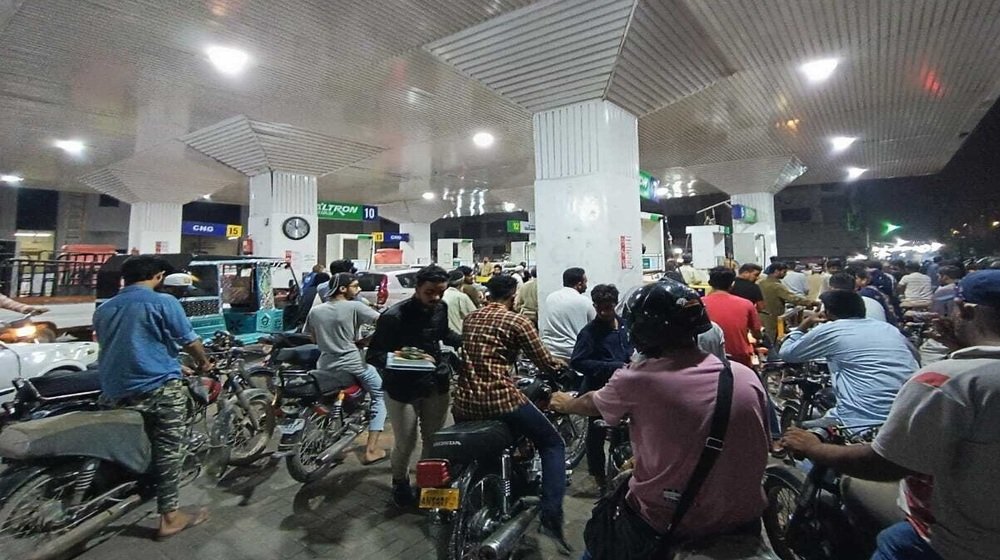

Islamabad: Pakistan’s Committee to Monitor Petrol Prices met again on Thursday to assess the evolving regional energy situation and review the country’s petroleum supply outlook. Federal Minister for Finance and Revenue Senator Muhammad Aurangzeb chaired the meeting at the Finance Division as officials continued to evaluate the impact of global market uncertainty.
During the session, authorities conducted a detailed review of petroleum stock levels and supply chains across the country. Officials briefed participants on the availability of crude oil and refined petroleum products, including petrol, diesel, aviation fuel and liquefied petroleum gas (LPG). They also shared updates on daily consumption trends and the number of days these reserves can support national demand.
Energy Markets and Shipping Risks Reviewed
Meanwhile, the committee closely examined developments in international oil markets. Officials discussed benchmark price movements, freight and insurance costs, shipping route dynamics and conditions in key maritime corridors.
In particular, the committee noted that uncertainty surrounding the Strait of Hormuz continues to create volatility in global energy trade. As a result, authorities are monitoring shipping disruptions that could affect international oil supply chains.
The meeting also reviewed the situation in liquefied natural gas (LNG) and LPG markets. Officials confirmed that LNG imports under long-term contracts remain stable. However, they warned that prolonged disruptions in regional shipping routes could complicate global LNG logistics. Authorities are also monitoring LPG inflows through cross-border trade channels to ensure steady domestic supply.
Government Prepares Contingency Measures
Furthermore, officials discussed contingency plans to strengthen energy security. The committee reviewed ongoing diplomatic and commercial engagement with friendly countries to secure additional crude oil and petroleum supplies if required.
At the same time, policymakers are exploring alternative procurement routes through regional energy hubs, including ports in the Red Sea and Gulf region. These steps aim to maintain refinery operations and ensure supply stability.
The committee also reviewed energy conservation measures and emphasized the importance of responsible fuel consumption.

