
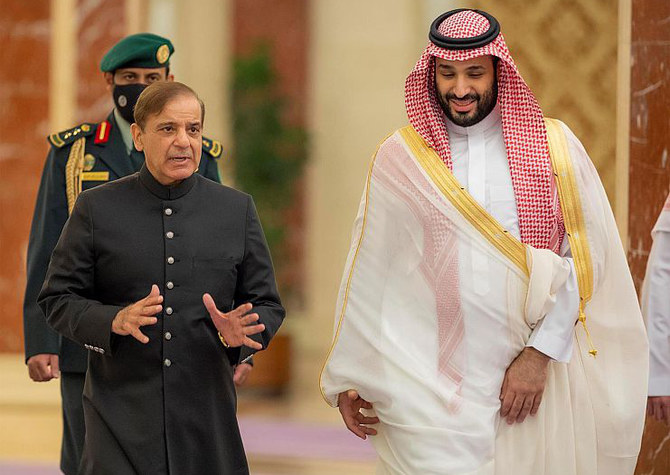

Pakistan has reiterated its strong support for Saudi Arabia as tensions escalate across the Middle East. A senior aide to Prime Minister Shehbaz Sharif said Islamabad will stand with Riyadh whenever necessary.
The statement came during an interview with Bloomberg TV by Mohsarraf Zaidi, spokesperson to the prime minister for foreign media. He stressed that Pakistan’s support for Saudi Arabia is firm and unquestionable.
Zaidi said Pakistan would assist the kingdom “no matter what and no matter when.” His remarks highlight the deep strategic partnership between the two countries during a period of rising regional instability.
The comments come as the Middle East faces increased tensions following military exchanges involving the United States, Israel, and Iran. Security concerns are growing across Gulf countries due to the expanding conflict.
Rising Middle East Tensions Trigger Strategic Concerns
The situation intensified after the United States and Israel launched attacks on Iran on February 28. Tehran responded with missile and drone strikes targeting American bases across the Gulf region.
Some of the retaliatory strikes reportedly reached areas in Saudi Arabia. These developments have increased fears of a wider regional conflict.
Iranian President Masoud Pezeshkian later expressed regret over attacks affecting neighboring countries. However, Iranian authorities said they would continue targeting sites used to launch attacks on Iranian territory.
The rising tensions have forced regional governments to review their security partnerships and defense commitments.
Pakistan and Saudi Arabia strengthened their military ties last year through the Strategic Mutual Defence Agreement. The agreement treats an attack on either country as aggression against both nations.
This pact reflects the longstanding political, military, and economic cooperation between Islamabad and Riyadh.
Pakistan Engages in Diplomatic Efforts to Reduce Conflict
Pakistan is also working diplomatically to prevent the conflict from spreading further across the region.
Prime Minister Shehbaz Sharif recently congratulated Ayatollah Mojtaba Khamenei after he assumed responsibilities as Iran’s Supreme Leader. He succeeded his father Ali Khamenei following a deadly strike blamed on the US and Israel.
Meanwhile, Pakistan’s Chief of Defence Forces Asim Munir visited Saudi Arabia and met Defence Minister Khalid bin Salman. Both leaders discussed regional security and Iranian missile attacks on the kingdom.
According to government officials, Pakistan is maintaining communication with Iran to prevent misunderstandings. Adviser on Political Affairs Rana Sanaullah said the military leadership is actively engaged with Tehran.
He noted that diplomatic channels remain open. Pakistan is encouraging Iran to avoid targeting Gulf countries and reduce tensions in the region.
Deputy Prime Minister and Foreign Minister Ishaq Dar has also held several discussions with Iranian Foreign Minister Abbas Araghchi. These talks aim to promote stability and prevent further escalation.
Iran reportedly told Pakistan that it would avoid attacks on Saudi Arabia if Riyadh ensures its territory is not used for strikes against Tehran.
Oil Supply and Shipping Routes Affected by Conflict
The conflict has also disrupted global energy supply routes. Iran recently closed the Strait of Hormuz, one of the world’s most important oil shipping corridors.
This closure has raised fears of fuel shortages in many countries, including Pakistan. In response, Saudi Arabia has arranged support for Pakistan’s oil and diesel supply.
Pakistan has also started importing crude oil through alternative routes via the Red Sea.
According to shipping sources, a vessel operated by the Pakistan National Shipping Corporation has reached Yanbu port in Saudi Arabia. The ship will depart for Karachi carrying around 73,000 tonnes of crude oil.
Another PNSC vessel, Shalamar, has successfully loaded oil from Fujairah and is now heading toward Karachi.
However, disruptions in the Strait of Hormuz have affected several ships. Some Pakistani vessels remain stranded near Karachi and other charter ports due to the ongoing regional situation.
Despite the crisis, Pakistan continues to balance strategic support for its allies with diplomatic efforts aimed at maintaining regional stability.

