

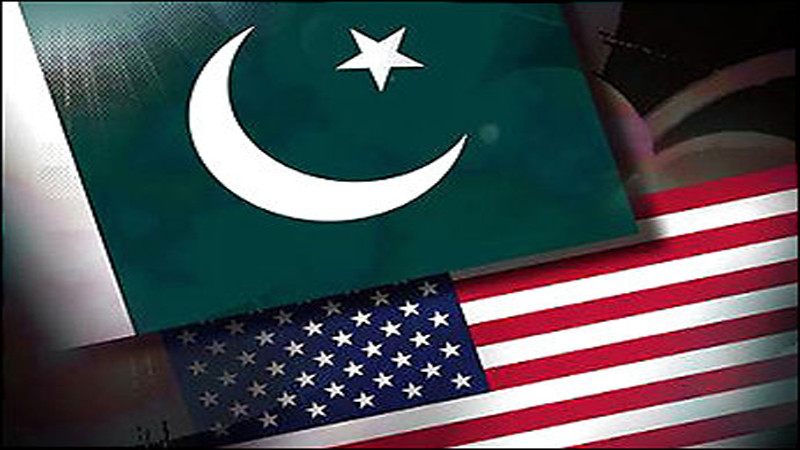

In a significant policy shift aimed at boosting economic ties, Pakistan has proposed a zero-tariff bilateral trade agreement with the United States, according to senior government sources.
“Pakistan is prepared to enter into a bilateral agreement that eliminates tariffs on selected product lines of mutual interest, with the goal of expanding trade across multiple sectors,” a high-level official stated when asked about the new offer extended to Washington.
The proposal follows a recent U.S.-brokered ceasefire between Pakistan and India, easing tensions after their worst military standoff in nearly three decades. U.S. President Donald Trump played a central role in mediating the ceasefire and, following the agreement, expressed optimism about increasing trade with both South Asian nations, stating he would be doing “a lot of trade” with them.
The military escalation began when India launched airstrikes on what it claimed were terrorist camps in Pakistan, following an April 22 attack in Indian-administered Jammu and Kashmir that killed 26 tourists. India blamed the attack on Pakistan-based groups, a claim Islamabad denied, asserting it had no involvement and that India’s strike targeted civilian areas.
In response, Pakistan’s armed forces launched “Operation Bunyan-um-Marsoos,” targeting Indian military installations in what officials described as “precise and proportionate” retaliatory strikes. The operation was aimed at deterring further aggression along the Line of Control (LoC) and within Pakistani territory.
The ceasefire announcement has helped de-escalate tensions and opened the door for renewed diplomatic and economic engagement. Pakistan’s trade offer signals an effort to turn the page from confrontation to cooperation, and potentially lays the groundwork for deeper strategic ties with the U.S.
