
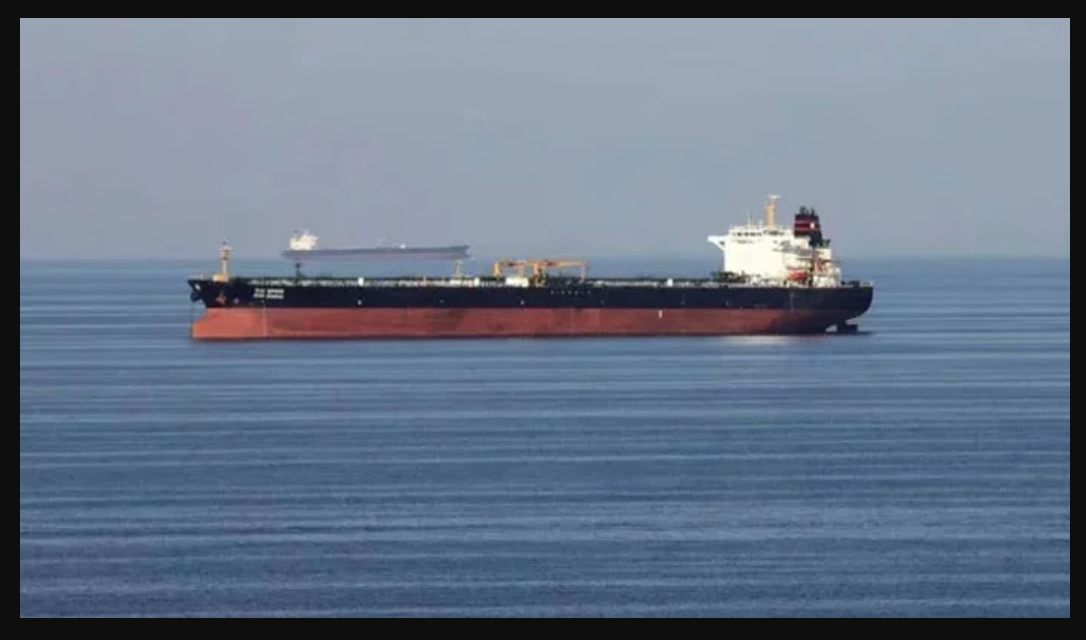

Pakistan is preparing contingency plans to secure oil supplies if disruption in the Strait of Hormuz continues. Officials are considering alternative crude shipments from Saudi Arabia through Red Sea export routes.
The plan may activate if shipping through Hormuz remains blocked for more than ten to twelve days. Rising regional tensions have increased uncertainty around one of the world’s most vital energy corridors.
The Strait of Hormuz handles a significant share of global oil and gas transportation. Approximately one-fifth of global petroleum liquids consumption moves through this narrow waterway. Additionally, a large portion of liquefied natural gas shipments to Asia relies on the same route.
Therefore, prolonged disruption could severely impact energy-importing countries, including Pakistan.
Heavy Dependence on Gulf Energy Supplies
Pakistan relies heavily on energy imports from Gulf countries. Most crude oil shipments originate from suppliers in the United Arab Emirates. Meanwhile, liquefied natural gas arrives mainly from Qatar, and diesel imports come from Kuwait.
Under normal conditions, these shipments pass through the Strait of Hormuz before reaching Pakistani ports. However, current tensions have slowed maritime activity and increased operational risks.
Two crude oil tankers destined for Pakistan remain stranded in the strait. Another cargo awaiting loading may not depart under prevailing security conditions. Furthermore, LPG imports by both sea and land have slowed significantly.
These delays have increased concerns about domestic fuel availability and potential price pressures.
Short-Term Relief but Long-Term Concerns
Two LNG cargoes that crossed Hormuz before the escalation are expected to arrive soon. These shipments will provide temporary relief to the domestic energy market.
Pakistan currently holds around thirty days of petrol and high-speed diesel inventories. Nevertheless, officials warn that supplies could tighten quickly if disruptions continue beyond next week.
Authorities may then turn to spot market purchases for refined fuels. However, such purchases typically involve higher premiums and transportation costs.
Pakistan already imports considerable petrol volumes from Singapore. Consequently, diesel imports from the same market could increase if shortages deepen.
Saudi Arabia’s Red Sea Route as a Backup Option
If necessary, Pakistan may formally request crude supplies routed through Saudi Arabia’s East-West pipeline. This infrastructure transports oil from eastern production fields to Red Sea export terminals. Importantly, this route bypasses the Strait of Hormuz entirely.
Saudi Arabia already supplies major Asian economies using this alternative pathway. Gaining similar access could help Pakistan maintain refinery operations during prolonged disruption.
However, LNG supply risks would remain unresolved because Saudi Arabia is not a major LNG exporter.
Domestic Production and Import Gap
Pakistan produces roughly 70,000 barrels of crude oil daily. Yet refineries require approximately 300,000 barrels per day to operate efficiently.
The country imports about seventy percent of its petrol consumption. Meanwhile, domestic production meets around seventy percent of diesel demand.
A long-term closure of Hormuz could therefore increase fuel and LPG prices nationwide. It may also worsen gas shortages and intensify inflationary pressures.
Higher import costs could expand the current account deficit and strain foreign exchange reserves.
Private Refiners May Offer Limited Flexibility
Private-sector refiners could provide partial support during supply disruptions. One refinery has previously imported crude from the United States through routes avoiding Hormuz.
Authorities may explore similar procurement strategies if conditions deteriorate further. Such diversification could reduce reliance on a single shipping corridor.
Energy Security at a Critical Moment
For now, existing fuel stocks provide a temporary safety cushion. However, prolonged closure beyond two weeks could trigger a serious energy challenge.
Pakistan’s planning reflects growing awareness of global supply vulnerabilities. At the same time, policymakers hope regional tensions ease before emergency measures become necessary.
The coming days will determine whether contingency plans remain precautionary or become essential for maintaining national energy stability.

