

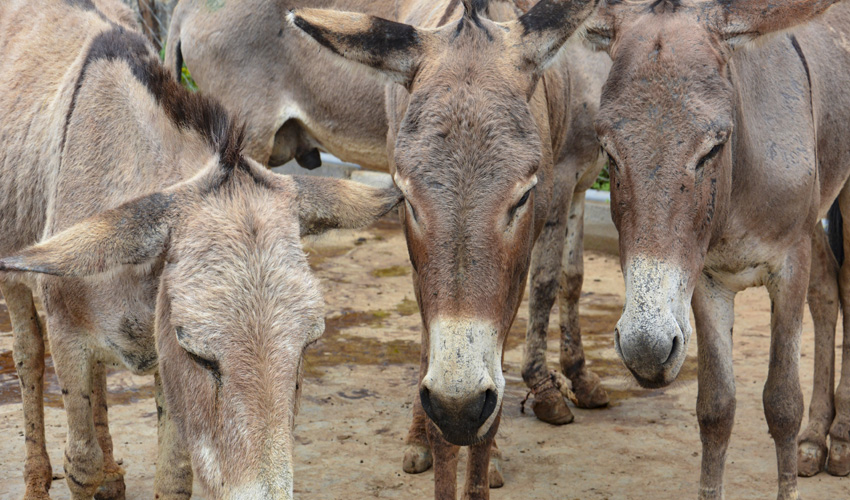

Pakistan has lifted the decade-long ban on donkey hide exports by amending its Export Policy Order. The move allows exports under strict conditions, reversing a 2015 decision that prohibited such trade due to concerns over donkey meat being sold as beef or mutton in local markets.
Controlled Export Channels Established
According to the new policy, only companies and firms operating in designated and registered donkey slaughterhouses within the Gwadar Free Zone will be permitted to export donkey hides. The measure aims to regulate the trade, prevent illegal slaughter, and ensure proper monitoring.
The revision officially removes the previous restriction from the Export Policy Order, signaling a major policy shift in livestock trade. Authorities argue that these conditions will allow better control while creating new opportunities for regulated exports.
Agreements with China and Expanded Trade
The decision follows recent negotiations confirming export protocols with China for donkey hides and meat. Agreements were also finalized for the export of agricultural goods, including onions, potatoes, and chillies. These deals are expected to strengthen Pakistan’s agricultural and livestock trade ties with China, one of its key partners.
Global Concerns Over Donkey Welfare
Despite the economic prospects, the decision has sparked renewed concerns among animal welfare groups. In August, a workshop on working equines emphasized the urgent need to address threats faced by donkeys, horses, and mules.
Globally, the demand for donkey skins has surged due to their use in traditional medicines and other products. Of the 55.5 million donkeys worldwide, an estimated 6 million are slaughtered each year for their hides. Critics argue that this trend threatens donkey populations and undermines the livelihoods of communities dependent on working equines.
Balancing Trade and Ethical Concerns
Pakistan’s government now faces the challenge of balancing economic benefits with animal welfare considerations. While the new policy provides regulated channels for exports, activists warn that strict enforcement will be crucial. Without effective monitoring, illegal slaughter and welfare issues may persist.
The revised policy highlights the growing importance of responsible trade practices. By limiting exports to licensed facilities, Pakistan seeks to ensure compliance with international standards. However, transparency and enforcement will determine the long-term sustainability of the policy.
