

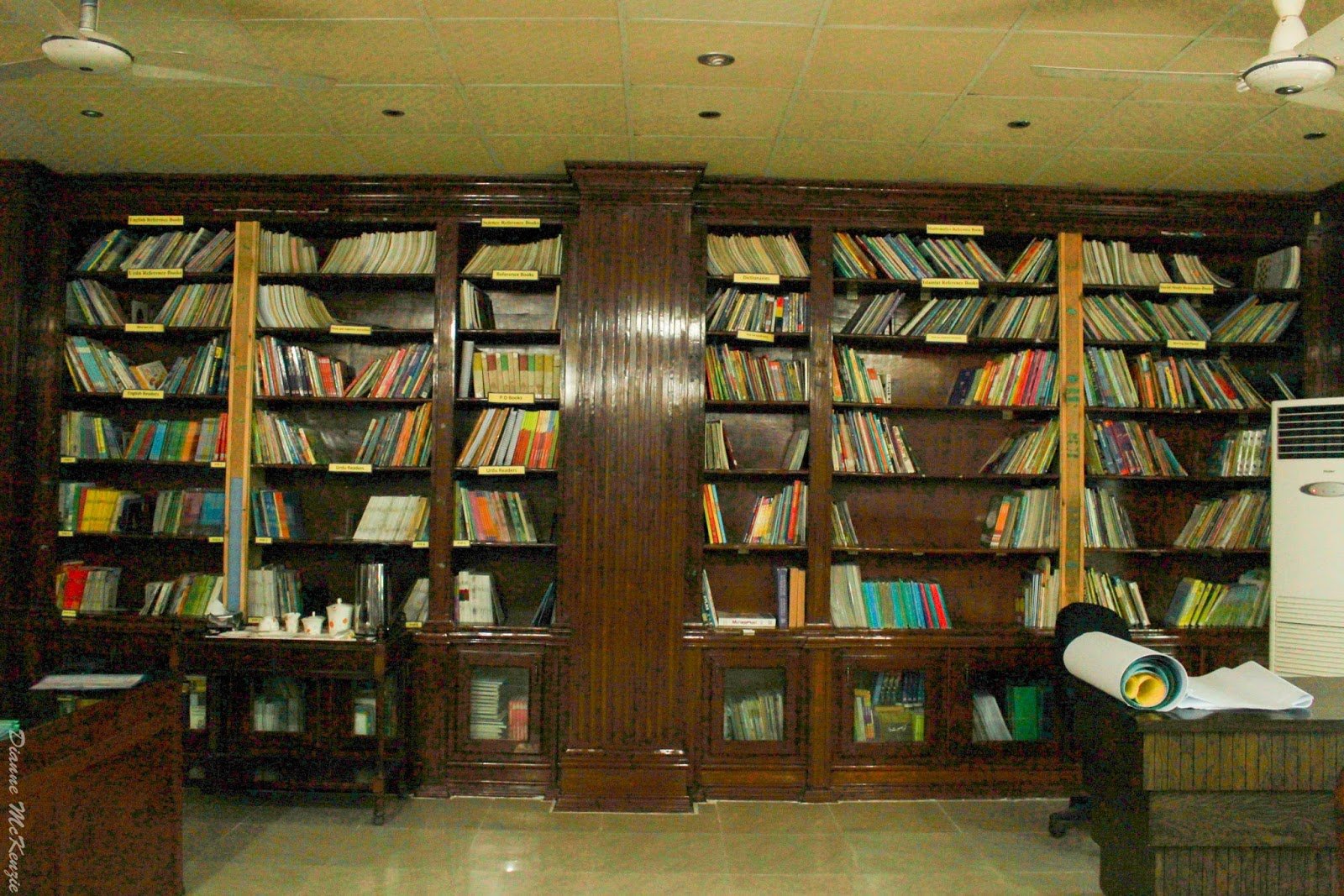

Pakistan libraries play a vital role in promoting education, research, and reading culture across the country. From school and college libraries to public and digital libraries, these institutions serve as knowledge hubs where students, researchers, and general readers can access valuable information.
Over the years, libraries in Pakistan have evolved with technology, offering online resources, e-books, and digital archives to support modern learning needs.
Importance of Pakistan Libraries
Libraries are essential for developing an educated and progressive society. They provide free access to books, research material, magazines, newspapers, and digital content. In Pakistan, libraries help bridge the gap between educated and underprivileged communities by offering equal learning opportunities. They also support students in exam preparation, researchers in academic work, and professionals in skill development.
Types of Libraries in Pakistan
-
Public Libraries
Public libraries in Pakistan are open for all citizens. They offer reading halls, book lending services, and community learning programs. Many major cities, including Lahore, Karachi, Islamabad, and Peshawar, have well-known public libraries where thousands of readers visit daily. -
Academic Libraries
These libraries are located in schools, colleges, and universities. They provide curriculum-related books, journals, and research papers to help students and teachers. University libraries also offer digital research databases and online journals for higher studies. -
National and Research Libraries
Pakistan also has national-level libraries that preserve historical documents, manuscripts, and cultural records. These libraries support historians, scholars, and researchers by giving access to rare and old collections. -
Digital Libraries
With the growth of technology, many libraries in Pakistan have shifted towards digital formats. Digital libraries offer online access to thousands of books, research articles, e-journals, and educational videos. This helps students and researchers study from anywhere using mobile or laptop.
Challenges Faced by Libraries in Pakistan
Despite their importance, Pakistan libraries face several challenges:
-
Lack of funding and government support
-
Outdated books and insufficient new editions
-
Limited trained library staff
-
Low promotion of reading habits among youth
-
Limited internet access in rural areas
These issues reduce the effectiveness of libraries and discourage people from using them.
Steps to Improve Pakistan Libraries
To improve the library system, it is important to:
-
Increase government funding for libraries
-
Update book collections and digital resources regularly
-
Train librarians in modern library management
-
Conduct reading awareness campaigns in schools and communities
-
Expand digital library programs and ensure better internet accessibility
Conclusion
Pakistan libraries are the backbone of an educated nation. They support students, researchers, and the general public by providing knowledge and learning resources. With proper investment and modernization, libraries can play an even stronger role in building a reading culture and contributing to national development.
FAQs About Pakistan Libraries
Q1: Why are libraries important in Pakistan?
Libraries provide access to knowledge and educational resources, helping develop an informed and educated society.
Q2: What types of libraries exist in Pakistan?
Pakistan has public libraries, academic libraries, research libraries, and digital libraries.
Q3: How can libraries be improved in Pakistan?
Funding, updated resources, trained staff, and digitalization can significantly improve the library system.
Q4: Do digital libraries benefit students?
Yes, digital libraries provide easy online access to books and research materials, especially useful for higher education and remote learners.
Q5: How can we promote reading culture in Pakistan?
Schools, media, and community organizations should encourage reading habits through book fairs, reading clubs, and library awareness campaigns.
