

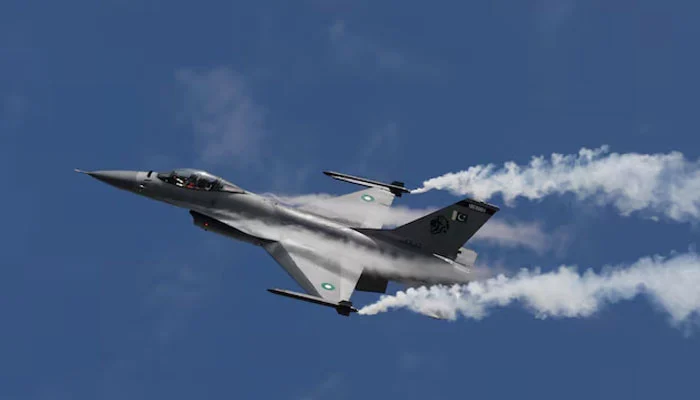

Pakistan-India Conflict
The ongoing military conflict between India and Pakistan is not only a geopolitical flashpoint but also a looming economic catastrophe, with projected losses exceeding $500 billion if the standoff extends over a four-week period. This staggering figure stems from both direct military expenditures and broader economic disruptions affecting both nations.
On the military front, India’s costs are dominated by air operations, drone deployments, missile usage, and sustained high combat readiness. The Indian Air Force (IAF) is estimated to be flying around 100 sorties daily using its fleet of Rafale, Mirage 2000, Su-30MKI, and Tejas aircraft.
Each sortie costs approximately $80,000 in fuel and operational expenses. Coupled with the use of high-end precision-guided munitions like SCALP EG, Spice 2000, and Hammer missiles—each ranging from $100,000 to $1.1 million—the cost of airstrikes alone is projected at $6 billion over four weeks.
Drone warfare is another major cost driver. India is reportedly deploying around 30 drones per day, including loitering munitions like Harop and surveillance UAVs such as Heron and Searcher. Factoring in losses, ISR support, jamming technology, and satellite communication, the daily cost is estimated at $100 million, or $3 billion over a month.
Missile deployment adds another $4.5 billion, with India firing approximately 10 BrahMos cruise missiles and up to 20 Pralay ballistic missiles daily. Additionally, heightened combat readiness—including troop mobilization, air defense systems like S-400, and naval preparedness—adds another $5.4 billion.
For Pakistan, military expenditures, though relatively lower, are still substantial. Daily air operations and combat air patrols cost over $25 million, totalling $1 billion over four weeks. Drone operations using Turkish Bayraktar systems and indigenous missile systems are projected at $450 million. Heightened readiness and border alert mechanisms are expected to cost an additional $450 million.
Beyond the battlefield, indirect economic losses are even more significant. For India, GDP disruption is projected to cost $150 billion, while financial market volatility and currency depreciation may lead to another $90 billion in losses. Trade disruptions are estimated at $80 billion, and a sharp decline in foreign direct investment could drain $100 billion more.
Pakistan, too, would suffer economically. GDP losses may reach $25 billion, while market instability and trade disruptions could cause an additional $27 billion in damages. Loss of investor confidence and IMF-linked setbacks may add another $5 billion.
In total, the four-week conflict could cost India and Pakistan more than half a trillion dollars—making it not only a security crisis but one of the most economically devastating conflicts in recent history.
