

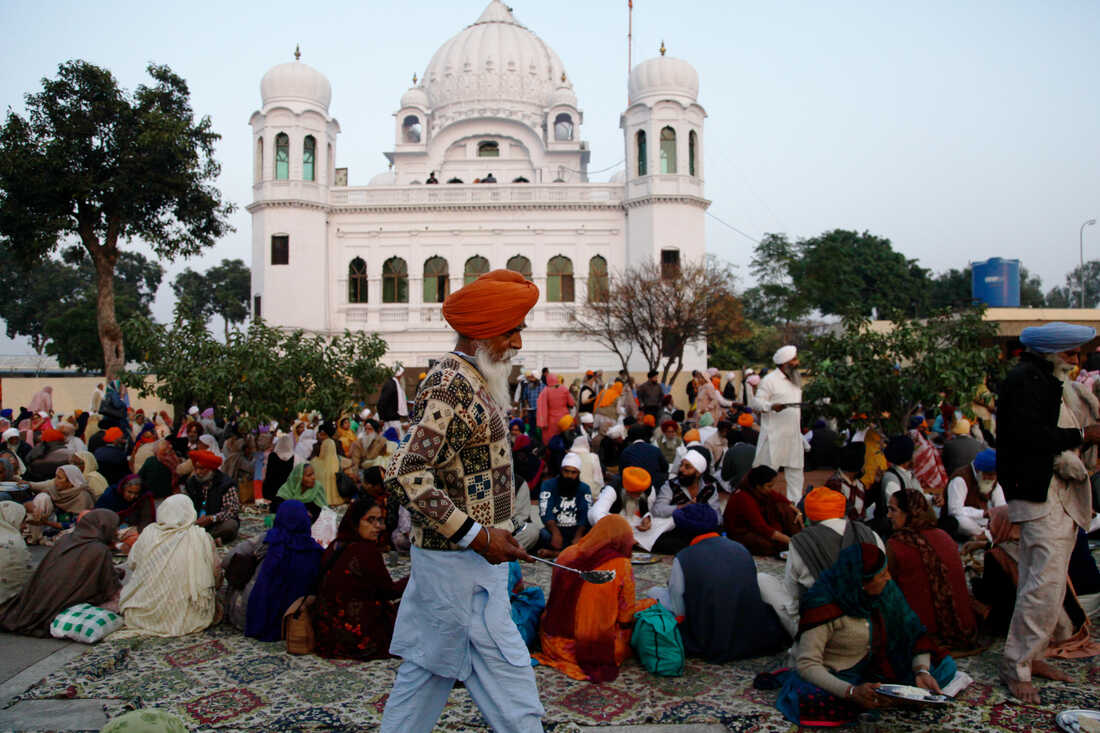

In a landmark move, Pakistan has granted 6,629 visas to Indian Sikh pilgrims for the Baisakhi festival, more than doubling the usual quota and marking the largest single issuance in 50 years.
This unprecedented gesture allows yatrees to visit sacred sites such as Nankana Sahib, the birthplace of Guru Nanak, offering a rare opportunity for thousands to undertake a deeply spiritual journey.
The expanded visa approval reflects Pakistan’s commitment to religious freedom and interfaith harmony, providing Sikh devotees unparalleled access to pilgrimage sites that have long been restricted.
Officials describe the move as a bold act of religious diplomacy, fostering goodwill across borders even as political tensions persist between India and Pakistan. The decision has sparked widespread appreciation among Sikh communities in Indian Punjab and the global diaspora, including the UK, US, Canada, and Australia.
“This is not just a visa issuance—it’s a message of peace and respect,” one official said, noting that the contrast between Pakistan’s open-door policy and India’s tightening visa controls for religious minorities is stark.
For the first time in decades, thousands of Indian Sikhs are now able to visit key gurdwaras, including Nankana Sahib, turning this year’s Baisakhi into a historic milestone for religious and cultural unity.
Already, nearly 3,000 pilgrims have arrived in Pakistan via the Wagah Border, with more expected in the coming days. The surge is being celebrated not only as a religious occasion but as a moment of cross-border compassion.
The record number of visas issued is part of Pakistan’s broader effort to strengthen people-to-people ties and promote cultural exchange, using shared spiritual heritage as a bridge across political divides.
As the celebrations unfold, this exceptional act stands as a reminder of how faith and goodwill can transcend boundaries, offering a glimpse of hope in an often-fractured regional landscape.
