

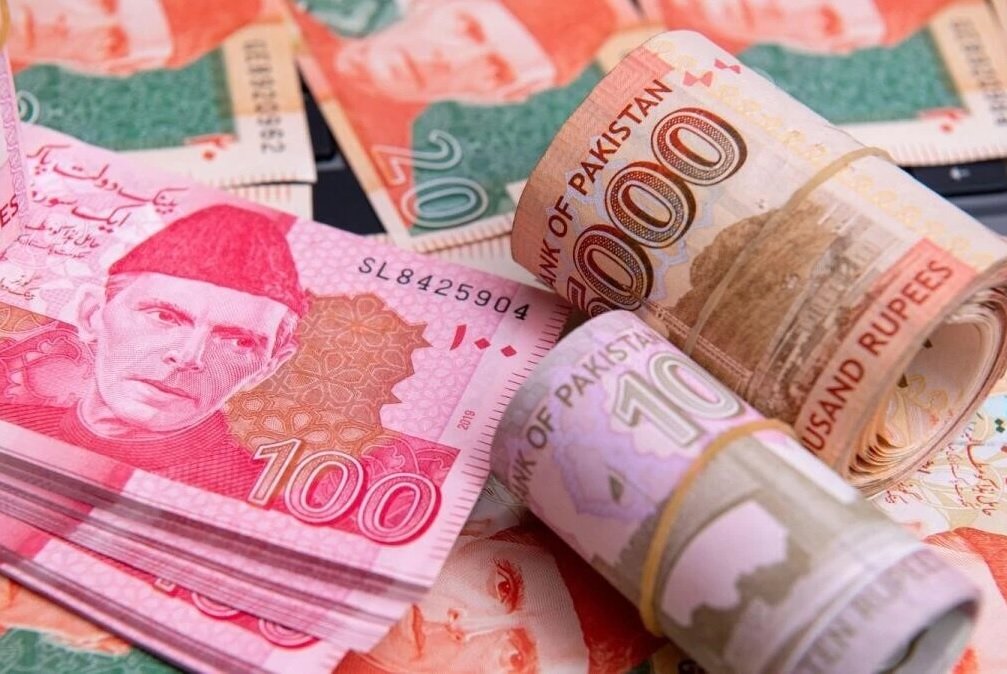

Pakistan’s total government debt increased to Rs78.5 trillion by the end of December 2025. The rise came during the first half of fiscal year 2026 (1HFY26). The increase highlights continued borrowing pressures and fiscal challenges.
According to State Bank of Pakistan (SBP) data, government debt rose by Rs641 billion, or 0.82%, compared to June 2025. The debt stock stood at Rs77.8 trillion at the end of June. On a month-on-month basis, debt increased by 1.3%. On a year-on-year basis, it surged by 9.6%.
The rise occurred despite a budget surplus of Rs542 billion in July–December FY26. The surplus equaled 0.4% of GDP. In the same period last year, the country posted a deficit of Rs1.5 trillion, or 1.3% of GDP.
Analysts say the increase reflects rollover of existing debt and persistent fiscal needs. The government continues to rely heavily on domestic borrowing to manage financing gaps.
Domestic Debt Drives Overall Increase
Domestic debt was the main contributor to the rise in total government debt. It climbed to Rs55.4 trillion by the end of December. This marks an increase of Rs891 billion, or 1.63%, compared to June.
On a monthly basis, domestic debt rose by 1.4%. On a yearly basis, it increased by 11%. The government raised funds mainly through Pakistan Investment Bonds (PIBs), sukuk, and Treasury bills.
Saad Hanif, head of research at Ismail Iqbal Securities, said the increase remains primarily domestic-debt driven. He noted that tight external financing conditions pushed the government to depend on local banking liquidity.
External debt, however, showed a mixed trend. It declined by Rs251 billion, or 1%, during the first half of FY26. Total external debt stood at Rs23.1 trillion by December.
Despite the half-year decline, external debt rose 1.1% compared to November. It also increased 6.4% compared to December last year. This suggests stable foreign borrowing but continued exposure to exchange rate risks.
Hanif warned that the elevated debt stock remains sensitive to interest rate movements. High domestic interest costs continue to strain fiscal consolidation efforts.
Public Debt and Liabilities Cross Rs95 Trillion
Pakistan’s gross public debt increased to Rs81.3 trillion by the end of 1HFY26. It was Rs80.5 trillion at the end of June. Total debt and liabilities rose sharply to Rs95.5 trillion, compared to Rs87.9 trillion in December 2024.
In dollar terms, Pakistan’s total external debt and liabilities reached $138 billion as of December 31, 2025. It was $136 billion in June. The increase reflects both new borrowing and exchange rate movements.
External debt servicing payments totaled $4.1 billion in the second quarter of FY26. This was higher than $3.5 billion in the previous quarter. The amount included $1.3 billion in interest payments and $2.7 billion in principal repayments.
Despite rising debt levels, debt servicing costs declined during July–December FY26. Total servicing fell to Rs5.2 trillion, down from Rs6.9 trillion last year. Interest payments dropped to Rs3.7 trillion from Rs5.5 trillion a year earlier.
The government says it has retired Rs3.65 trillion in domestic debt ahead of schedule since late 2024. Officials claim this reduces refinancing risks and improves fiscal management.
However, gross public debt reached 70.7% of GDP in FY2025. This exceeds the legal ceiling set under the Fiscal Responsibility and Debt Limitation Act.
High debt levels consume nearly half of the federal budget. This limits spending on development and social services. Economists warn that sustained fiscal reforms are essential to ensure long-term economic stability.
