


Agriculture Devastated, Trade and Food Security at Risk
Pakistan is reeling from the devastating monsoon floods of 2025, which have inflicted staggering economic losses estimated at Rs. 409 billion ($1.4 billion) — a blow equal to 0.33% of the national GDP, according to a new report released on Monday.
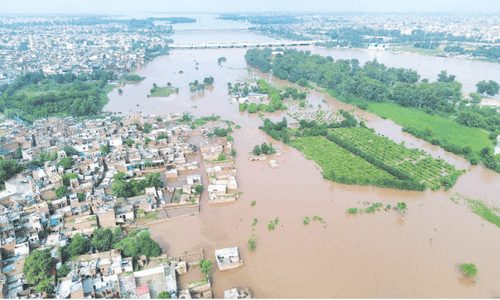
The hardest-hit sector is agriculture, the backbone of the country’s economy and food supply. The report, published by Arif Habib Limited, reveals that the sector alone has suffered over Rs. 302 billion ($1 billion) in damages. Key crops — including sugarcane, rice, and cotton — have been decimated, with entire farmlands in southern Punjab and interior Sindh submerged for weeks.
In Punjab, more than 1.3 million acres of fertile land lie underwater. The district of Bahawalnagar has been hit especially hard, with nearly 80% of its cotton crop wiped out — a loss that will ripple through the textile sector and rural communities alike. Analysts warn that this could cut Pakistan’s agricultural growth projection for FY26 in half, from 2.2% to just 1.1%, dragging down overall GDP growth by 29 basis points.
Infrastructure Ruined, Inflation Rising, and Recovery Costs Soar
The transport and communications infrastructure has also suffered massive damage, estimated at Rs. 97.6 billion ($333 million). Roads, bridges, and communication lines have been washed away, severing vital lifelines for both emergency response and everyday commerce. The rebuilding cost for infrastructure alone is projected at Rs. 107 billion ($364 million).
Meanwhile, the destruction of homes, though valued at a relatively smaller Rs. 8.95 billion ($31 million), has left thousands of families displaced, amplifying the humanitarian crisis. In rural areas, the loss of over 6,000 livestock (worth Rs. 0.5 billion) has deeply affected subsistence farmers who rely on animals for food, income, and mobility.
Trade Deficit Widening, Inflation Soaring
The floods are expected to widen Pakistan’s trade deficit by $1.9 billion in FY26. With the cotton supply decimated, imports are projected to rise by 737,000 tons, costing the country $1.06 billion. On the export side, damages to textiles, rice, and sugar are expected to result in $861 million in lost revenue.
These supply shocks will likely fuel a surge in inflation, particularly for food. With staple crops like rice, wheat, tomatoes, and onions in short supply, food inflation is now forecast to rise to 7.2% in FY26, compared to the pre-flood estimate of 5.5%.
Early signs are already visible in local markets, where prices for vegetables and grains have spiked sharply in just a few weeks.
A Call for Urgent Action and Climate Resilience
With billions in losses and more rains predicted in the weeks ahead, Pakistan faces a long and painful road to recovery. The government will likely need supplementary budgets and increased international aid to finance rebuilding, social support, and long-term resilience efforts.
As the full extent of the disaster continues to unfold, experts warn that the actual costs may rise significantly in the coming months. The crisis has reignited urgent calls for Pakistan to invest in climate resilience, early warning systems, and more robust disaster preparedness.
