

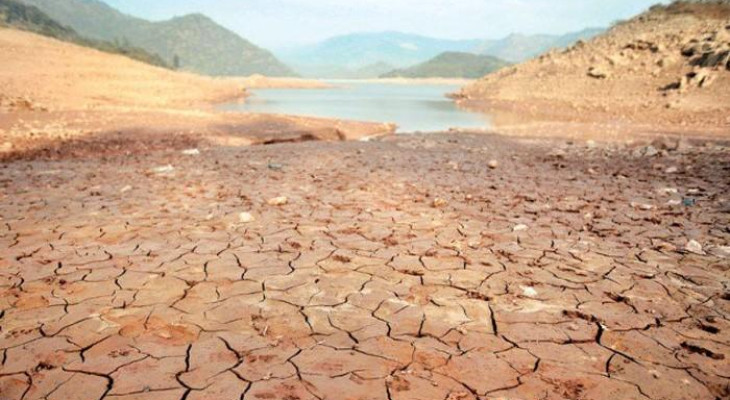

Pakistan is currently experiencing a significant water shortage of around 30 percent as it enters the sowing season for cash crops like rice and cotton, according to the Indus River System Authority (IRSA), the country’s water regulator.
The shortage is attributed to lower-than-normal winter snowfall in Pakistan’s northern glacier region, which has affected the catchment areas of the Indus and Jhelum Rivers, crucial for irrigation purposes.
Kharif crops, such as rice, maize, sugarcane, and cotton, are typically sown in April and rely on a wet and warm climate with sufficient rainfall. However, the reduced snowfall due to climate change has directly impacted water availability for these crops during the summer.

Muhammad Azam Khan, an assistant researcher with IRSA, highlighted the role of climate change in diminishing snowfall and its subsequent impact on water resources. He emphasized that this shortage would directly affect the availability of water for Kharif crops.
While the water shortage gap is expected to narrow with the arrival of monsoon rains later in the season, Pakistan’s meteorological department has forecast higher-than-normal temperatures during the monsoon period, adding to the uncertainty.
Agriculture constitutes the largest sector of Pakistan’s economy, contributing approximately 24 percent to its GDP. However, the sector has faced criticism for its inefficiency in water usage.
The current water shortfall necessitates improved planning by authorities to utilize the available water resources effectively, as stated by IRSA’s Khan.
Pakistan has been increasingly grappling with the adverse effects of climate change, including shifting and unpredictable weather patterns. The country experienced devastating floods in 2022, which scientists linked to climate change, impacting over 30 million people and severely affecting the cotton crop that year.
