

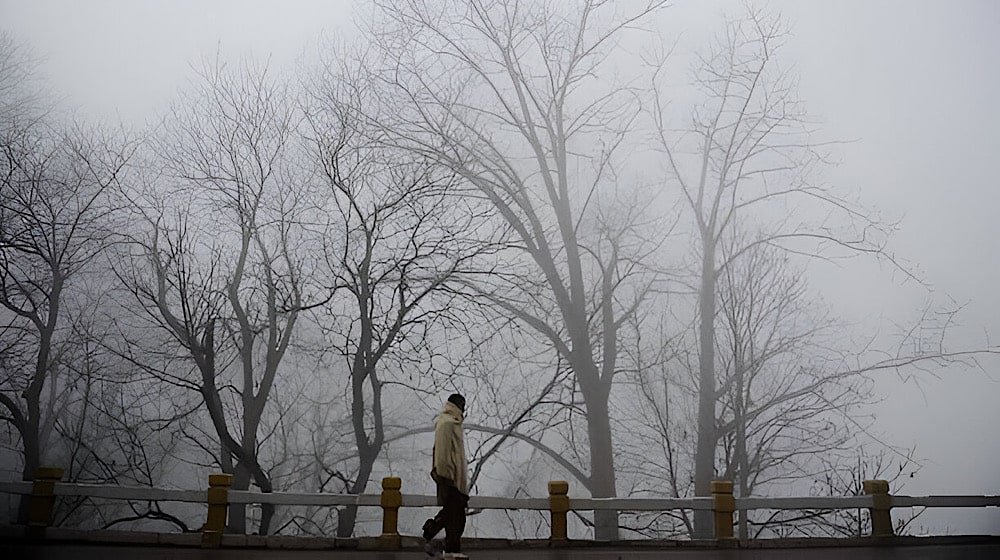

Most regions of Pakistan are expected to continue experiencing dry and cold weather until the first week of December, according to the Meteorological Department. The forecast indicates that residents should prepare for lower temperatures, particularly during early mornings and nights, as the winter chill sets in across the country.
Northern areas, including Gilgit-Baltistan and Azad Kashmir, are likely to face severe cold conditions. These regions may experience the lowest temperatures, with nights and early mornings being particularly harsh.
The Meteorological Department has advised residents in these areas to take necessary precautions, particularly the elderly, children, and those with health conditions, as exposure to extremely low temperatures can pose health risks.
In the plains of Punjab and Khyber Pakhtunkhwa, fog and smog are expected to persist, particularly during morning and evening hours. The intensity of the fog and smog is predicted to increase in the coming days, potentially affecting visibility on roads and impacting traffic. Authorities have urged commuters to exercise caution and follow safety measures while traveling in these conditions.
Meanwhile, Sindh and Balochistan will continue to experience dry and cold nights, although temperatures in these provinces are expected to remain relatively moderate compared to the northern regions. Clear skies combined with colder nighttime conditions may lead to frost formation in some areas, according to meteorological predictions.
The dry weather conditions across most parts of the country are likely to continue until early December, with no significant rainfall expected in the near term. Citizens have been advised to monitor weather updates regularly, dress appropriately for colder conditions, and use heating equipment safely to prevent accidents.
Overall, Pakistan is entering a period of widespread cold and dry weather, with northern regions facing the most severe impact, while fog and smog could affect daily activities in central plains. Awareness and preparedness measures are recommended to mitigate the effects of the ongoing cold snap across the country.
