
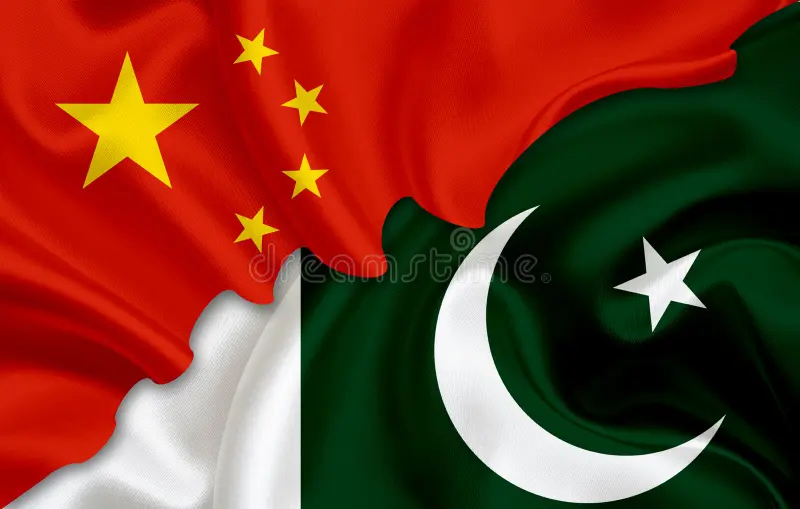

Beijing Meeting Focuses on Framework for Dialogue
Pakistan and China are set to refine a peace framework during high-level talks in Beijing. The discussions will focus on guiding principles for a possible dialogue between the Iran and the United States. The goal is to help end the ongoing conflict and reduce tensions in the region.
Ishaq Dar, Pakistan’s Deputy Prime Minister and Foreign Minister, is visiting Beijing for a short but important trip. He will meet Wang Yi to build on earlier discussions held via telephone. Officials say the visit will focus on regional stability, global issues, and stronger bilateral ties.
The visit was briefly delayed after Mr Dar suffered a minor fall. Despite this, he is expected to hold key meetings during his short stay in Beijing. Pakistan hopes the talks will produce a document outlining steps for future negotiations.
Pakistan Pushes for Mediation Role
Pakistan is actively positioning itself as a mediator between Tehran and Washington. Recently, Mr Dar suggested that Pakistan could host direct talks between the two sides. This move highlights Islamabad’s growing diplomatic role in the region.
The effort follows a four-country meeting hosted by Pakistan. Foreign ministers from Saudi Arabia, Türkiye, and Egypt joined the discussions. The meeting stressed the need for de-escalation and peaceful dialogue. Leaders supported structured negotiations to prevent further conflict.
Shehbaz Sharif thanked participating countries for their trust in Pakistan’s peace efforts. He emphasized the importance of cooperation for regional stability.
Officials say Pakistan has proposed five key principles. These include an immediate ceasefire, renewed dialogue, civilian protection, secure maritime routes, and respect for the United Nations Charter. These principles are expected to guide future talks.
China Supports Dialogue but Iran Remains Careful
China has strongly backed Pakistan’s diplomatic efforts. Mao Ning stated that Beijing supports all steps toward peace and dialogue. She confirmed China’s willingness to coordinate closely with Pakistan to reduce tensions.
However, Iran has responded cautiously. Esmaeil Baqaei said Iran is not part of the current framework. He noted that while peace efforts are welcome, they must be fair and realistic. Iran insists that any solution must address the root causes of the conflict.
Despite this, Pakistan continues its outreach. With support from China and regional partners, it aims to act as a neutral facilitator. Officials believe this cooperation could strengthen Pakistan’s image as a trusted intermediary.
International Backing Adds Momentum
Global support for mediation is growing. António Costa expressed backing from the European Union. He stressed that dialogue and diplomacy are the only paths to lasting peace.
As the conflict continues, diplomatic efforts are gaining urgency. Pakistan and China hope their coordinated approach will create conditions for meaningful negotiations and long-term stability in the Middle East.

