


Flood Alerts
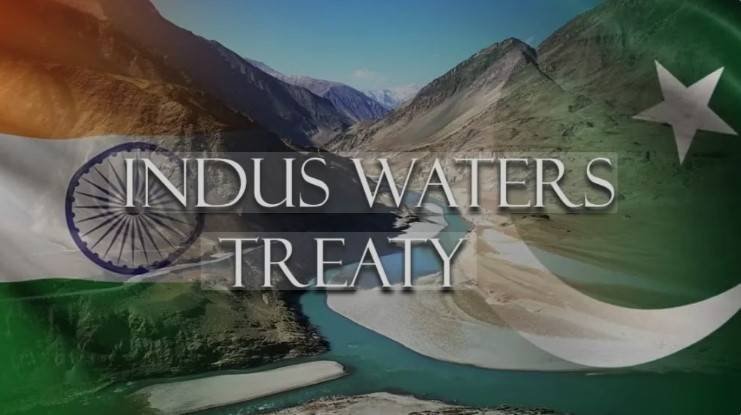
Amid mounting fears of flooding due to heavy monsoon rains, Pakistan has formally called upon India to fulfil its obligations under the Indus Waters Treaty (IWT) by issuing timely flood alerts and notifications regarding unusual discharges from Indian dams and reservoirs. The appeal comes in the wake of India’s continued silence despite repeated diplomatic reminders from Islamabad.
According to senior officials, Pakistan has stressed that the 1960 treaty, a legally binding agreement brokered by the World Bank, obliges India to share real-time flood data and advance notifications with Pakistan. These provisions are particularly crucial during the monsoon season when rivers flowing from India into Pakistan—particularly the Chenab, Sutlej, and Ravi—are at risk of overflowing due to excessive rainfall or sudden water releases from upstream dams.
“Unusual rainfall in the lower basins of the eastern rivers, particularly in areas downstream of Indian reservoirs, can trigger sudden and destructive flooding in Pakistan,” an official stated. “This is why the clause on advance notification exists in the Indus Waters Treaty. Ignoring it is not only a treaty violation but also a grave risk to lives and livelihoods.”
Despite the urgency, Pakistan claims that India has not issued any flood-related notifications so far. As a result, Pakistani authorities are relying on satellite imagery and field intelligence to monitor potential flood relays, though they stress that this is no substitute for timely, cross-border data sharing.
The issue has escalated to the political and diplomatic front as well. Defence Minister Khawaja Asif recently issued a stern warning to India, reminding New Delhi of the “lesson of May 10”—a reference to heightened tensions that remain fresh in the region’s strategic memory.
Additionally, Pakistan raised the matter at the 25th session of the Organisation of Islamic Cooperation’s (OIC) Independent Permanent Human Rights Commission in Jeddah. Speaking during a special session on “The Right to Water,” Pakistan’s Permanent Representative to the OIC, Syed Fawad Sher, criticized India for its “unilateral and hostile” posture regarding the treaty.
Sher reiterated that India’s repeated threats to suspend the IWT and unilaterally block Pakistan’s water would exacerbate water insecurity in the region—already one of the most water-stressed in the world. He noted that any such actions could intensify climate-related challenges and destabilize regional cooperation.
Sher reminded the OIC delegates that the foreign ministers of several member states had previously expressed concern over India’s handling of the treaty, and called upon the international community to uphold the sanctity of water-sharing agreements.
Pakistan has vowed to continue raising the issue at international forums to safeguard its rights under the treaty. Officials maintain that cooperation, not confrontation, is the only viable path to managing shared natural resources in a climate-vulnerable region.
