

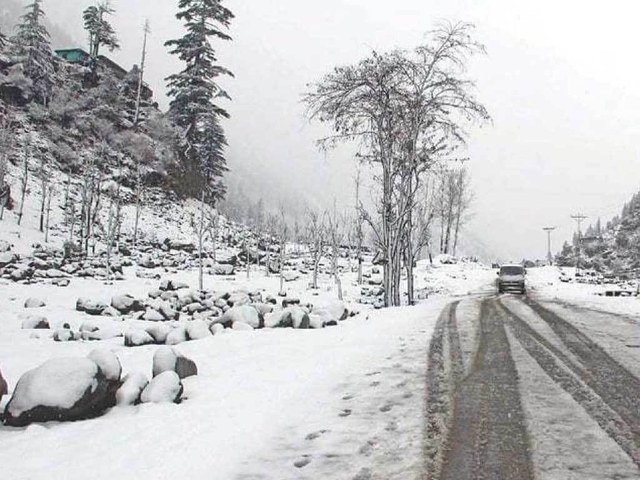

La Niña Pattern to Trigger Extreme Cold and Harsh Winter Conditions Across Northern Pakistan
Pakistan is expected to face its coldest winter in decades due to the ongoing La Niña climate pattern, according to a report by the Intersector Coordination Group in collaboration with humanitarian partners. La Niña, caused by unusually cold sea surface temperatures in the Pacific Ocean, is known to trigger severe global weather disruptions. This year, its effects may be felt strongly across Pakistan, particularly in flood-affected regions like Khyber Pakhtunkhwa and Gilgit-Baltistan.
UN-OCHA’s October forecast highlights a worrying outlook. The negative phases of both the El Niño Southern Oscillation and the Indian Ocean Dipole are expected to impact weather patterns in Pakistan. Northern areas such as Punjab, KP, Azad Jammu and Kashmir, and GB may receive below-normal rainfall. In contrast, southern regions including Sindh, Balochistan, and South Punjab are predicted to experience near-normal precipitation levels.
The anticipated cold wave could significantly worsen living conditions for families already displaced or impacted by the monsoon floods. With homes destroyed and infrastructure damaged, many households remain exposed to the elements without adequate shelter or protection.
Post-Flood Crisis Deepens With Health Risks, Food Shortages, and Limited Relief Resources
Beyond the cold, the La Niña-driven weather pattern poses additional threats. The report warns of possible Kharif crop harvesting delays due to isolated storms, increased risks of dengue outbreaks from stagnant floodwaters, glacial lake outburst floods in high-altitude regions, and reduced river inflows affecting irrigation systems. Livestock health may deteriorate, and air pollution is expected to rise, especially in the plains due to smog.
Pakistan’s flood recovery efforts are also at a critical juncture. The report notes that humanitarian response capacity has diminished over the past three months. Emergency stocks and initial relief funds have been exhausted. Aid organizations are now appealing for more funding to sustain operations and maintain basic services as the country transitions from emergency response to early recovery.
A recent geo-spatial analysis by FAO revealed the scale of agricultural damage. Around 1.2 million hectares of farmland in Punjab—the nation’s food basket—were submerged, severely affecting rice, sugarcane, and cotton production. This setback hit during the Rabi crop planting season, increasing threats to food security.
Waterborne diseases such as cholera, diarrhea, and typhoid remain a significant concern in flood-hit areas. Stagnant water also fosters the spread of malaria and dengue. Meanwhile, over 229,000 homes have been either damaged or destroyed, leaving thousands to sleep in the open. Food and fodder supplies have spoiled, worsening hunger and forcing greater dependence on humanitarian food aid.
