
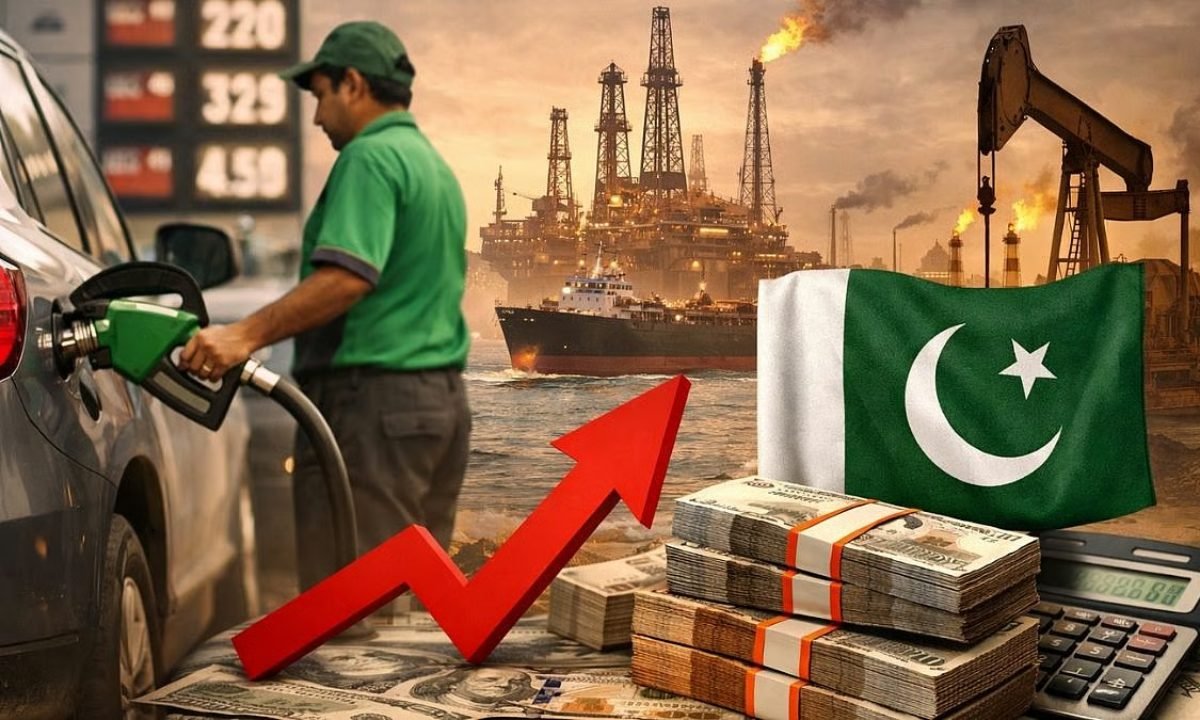

Sharp Fuel Price Hike Pushes Pakistan Near Global Top in Cost Burden
Pakistan has become one of the most fuel-unaffordable countries in the world. The country now ranks second after Ethiopia when fuel prices are compared with income levels. This shift comes after a massive increase in petrol prices.
Petrol prices have reached Rs. 458.40 per litre. Meanwhile, high-speed diesel has climbed to over Rs. 520 per litre. These record-breaking rates are putting heavy pressure on citizens. As a result, affordability has dropped sharply for the average consumer.
In Ethiopia, petrol prices range between $1.40 and $1.80 per litre. However, daily wages there are extremely low, around $1.50. Therefore, fuel remains even less affordable in that country. Still, Pakistan is now close behind despite having better infrastructure.
Experts say affordability depends not only on price but also on income. In Pakistan, wages have not increased at the same pace as fuel costs. Consequently, the burden on households has grown significantly.
Government Defends Decision as Economic Pressures Rise
The price hike was announced by Ali Pervaiz Malik along with finance officials. They stated that the increase was unavoidable. According to them, the country’s financial situation does not allow fuel subsidies anymore.
The government raised petrol prices by Rs. 137.23 per litre. At the same time, diesel prices increased by Rs. 184.49 per litre. These are among the largest hikes in recent years. Therefore, the decision has triggered widespread criticism.
Officials linked the increase to global oil prices and fiscal constraints. Moreover, they emphasized the need to stabilize the economy. However, many citizens remain unconvinced by these explanations.
Public reaction on social media has been strong. Many users pointed out that the issue goes beyond fuel pricing. They argued that low purchasing power is the real problem. Without income growth, rising costs become harder to manage.
Economic Challenges Persist Despite Local Production Advantages
Pakistan has some advantages compared to other countries. It produces around 18 percent of its petroleum needs locally. In addition, it has access to seaports for oil imports. These factors usually help reduce costs.
However, the country still faces significant economic challenges. Inflation continues to rise across multiple sectors. At the same time, salaries have not kept pace with increasing expenses. As a result, affordability remains a serious concern.
Fuel prices have also seen frequent increases. In the past month alone, rates were raised in four out of six official reviews. Therefore, consumers are facing constant uncertainty.
Compared to other developing nations in Asia and Africa, Pakistan is under greater pressure. Despite having logistical advantages, economic instability is affecting fuel affordability. This situation highlights deeper structural issues in the economy.
In conclusion, rising fuel prices are adding to financial stress for millions. Without policy changes or income growth, the situation may worsen. The government now faces increasing pressure to provide relief.

