


ISLAMABAD: In a transformative move toward sustainable development, the federal cabinet of Pakistan has officially approved the Green Building Code Pakistan, setting a new benchmark in the country’s construction practices.
The decision marks a major milestone in Pakistan’s commitment to combating climate change and promoting environmentally responsible development.
The newly approved code will apply to all buildings with four or more floors, focusing on energy efficiency, environmental sustainability, and climate resilience. Developed by the Pakistan Engineering Council (PEC) in collaboration with key stakeholders, the code introduces comprehensive guidelines for modern, eco-friendly construction that aligns with global best practices.
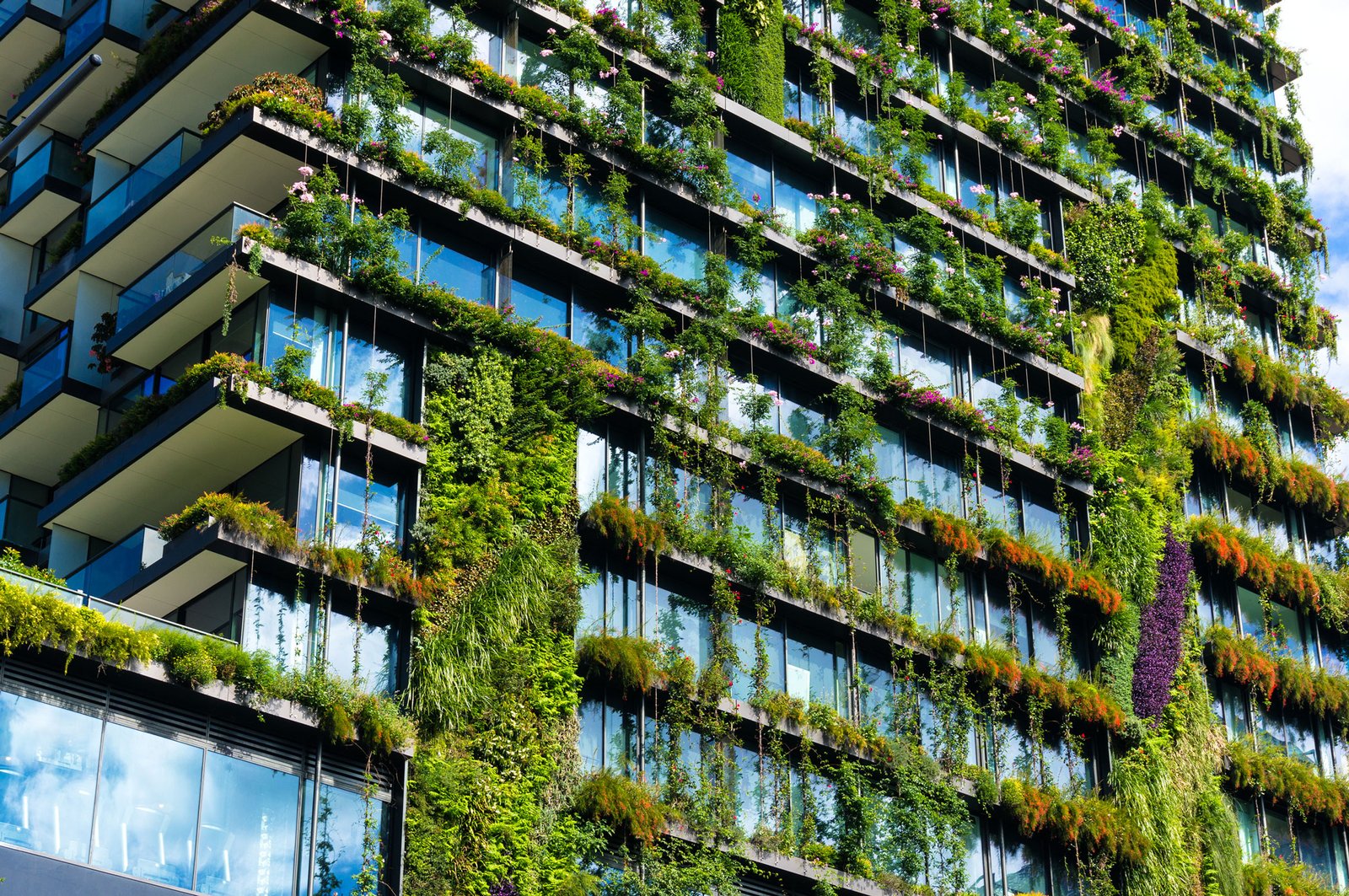
At the heart of the Green Building Code is the integration of cutting-edge sustainability techniques. These include passive solar design, which harnesses sunlight for heating and lighting; green roofs, which reduce heat absorption and improve insulation; and energy-efficient lighting systems that cut down electricity usage while reducing environmental impact.
A major component of the code is the use of renewable energy sources in building design. By encouraging the incorporation of solar panels and other green energy technologies, the code aims to reduce reliance on fossil fuels and promote energy independence.
Additionally, the adoption of Building Information Modelling (BIM) will allow for enhanced resource planning and improved lifecycle management of buildings, ensuring long-term cost-effectiveness and sustainability.
In tandem with the Green Building Code, the federal cabinet also approved the Rainwater Harvesting Code (RWH-BCP-2023). This mandates the installation of rainwater collection, filtration, and reuse systems in commercial and industrial buildings. The initiative is designed to address Pakistan’s intensifying water scarcity and reduce pressure on municipal water resources.
These measures are directly aligned with the United Nations Sustainable Development Goals (SDGs) and reflect Prime Minister Shehbaz Sharif’s broader vision of a cleaner, greener Pakistan.
The Ministry of Science and Technology, led by Minister Khalid Hussain Magsi and Secretary Sajid Baloch, played a pivotal role in coordinating with provincial and federal bodies to develop and finalize the codes.
Now formally binding under PEC Bye-Laws, the Green Building Code will be implemented nationwide, making sustainable construction not just a recommendation but a legal requirement.
Experts and environmentalists have hailed this initiative as a turning point for Pakistan’s urban development, promising improved air quality, reduced energy consumption, and a higher quality of life for future generations.
