

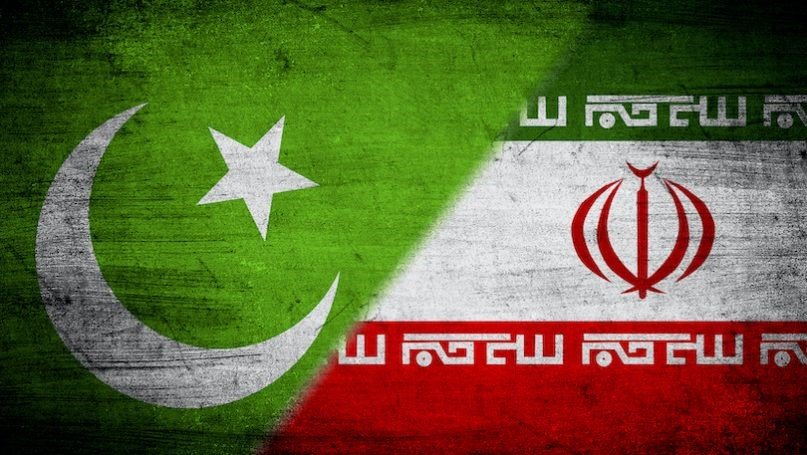

Pakistan and Iran have signed a Memorandum of Understanding (MoU) aimed at significantly increasing bilateral trade, setting an ambitious target of $10 billion. The agreement marks a key step in strengthening economic ties between the two neighboring countries.
The MoU was finalized during a high-level meeting between the Federation of Pakistan Chambers of Commerce and Industry (FPCCI) and Iran’s Mashhad Chamber of Commerce and Industry. Both sides emphasized the need to enhance trade relations by addressing existing challenges and facilitating smoother business interactions.
As part of the discussions, Iran agreed to reduce business visa fees and streamline trade processes to encourage greater economic cooperation. These measures are expected to create a more business-friendly environment, allowing enterprises from both nations to explore new opportunities and expand market access.
Bilateral trade between Pakistan and Iran has already shown positive momentum. In the last fiscal year, trade volume between the two countries reached $2.8 billion, reflecting steady growth in economic exchanges. The new agreement aims to build on this progress by fostering deeper collaboration in key sectors, including energy, agriculture, and manufacturing.
Pakistan has been working on improving its business climate, with support from the Special Investment Facilitation Council (SIFC). The council has introduced several initiatives to attract foreign investment and create a more conducive environment for trade. These efforts are expected to complement the new trade agreement with Iran, further boosting economic activity.
Both countries have recognized the potential for enhanced cooperation and are committed to removing trade barriers that have hindered progress in the past. With a renewed focus on expanding bilateral trade, Pakistan and Iran aim to achieve the $10 billion target by facilitating easier cross-border commerce and leveraging their economic strengths.
This agreement is expected to open new avenues for businesses and strengthen the long-standing economic partnership between the two nations, ultimately contributing to regional stability and prosperity.
