
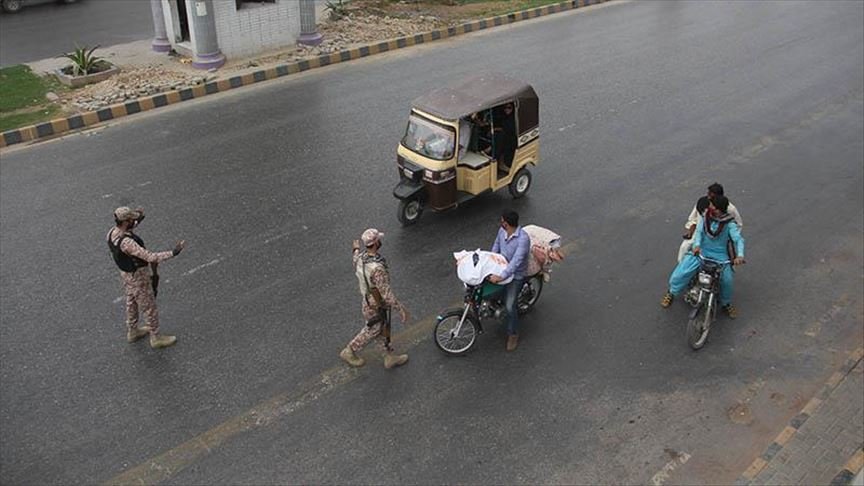

Countries across Asia, including Pakistan, are adopting strategies similar to those used during the Covid-19 pandemic. Governments are exploring work-from-home policies and energy-saving measures to deal with a growing fuel crisis. The crisis has been triggered by ongoing conflict involving Iran, which has disrupted global oil supply.
Asia depends heavily on oil shipments through the Strait of Hormuz. This route carries more than 80 percent of the region’s crude oil imports. However, disruptions in the strait have created shortages and pushed governments to act quickly.
In response, Pakistan has already taken initial steps. Authorities announced the closure of schools for two weeks. In addition, office workers have been encouraged to work from home more frequently. These measures aim to reduce fuel consumption and ease pressure on supply.
Pakistan Implements Energy Saving Measures and Policy Talks
Prime Minister Shehbaz Sharif held a key meeting with Bilawal Bhutto Zardari to review the situation. Senior officials, including provincial leaders, attended the meeting. They discussed national security concerns and fuel management strategies.
Provincial governments are also preparing their own plans. Officials are considering “smart lockdowns” to limit unnecessary movement. These steps mirror policies used during the pandemic. Therefore, authorities hope to control fuel demand without disrupting economic activity.
The government is also focusing on diplomacy. Pakistan aims to play a constructive role in easing regional tensions. Officials believe stability in the region could help restore fuel supplies.
Asian Countries Adopt Work-From-Home and Energy Cuts
Several Asian countries are introducing similar measures. Sri Lanka has declared a public holiday every Wednesday. This step aims to conserve fuel by reducing travel.
Meanwhile, South Korea has launched a national energy-saving campaign. Citizens are encouraged to reduce electricity use and limit daily consumption. Authorities are also considering remote work options.
In Philippines, the government has shortened work weeks in some offices. The country has also declared an energy emergency. Similarly, Singapore is promoting energy-efficient appliances and higher air conditioning temperatures.
Thailand has taken additional steps. Officials have restricted overseas travel for government workers. They have also encouraged working from home and reducing office energy use.
Economic Measures and Global Policy Challenges
Governments are also offering financial support to reduce the impact of rising fuel costs. Japan plans to use reserve funds to subsidize gasoline prices. This move aims to keep fuel affordable for consumers.
In New Zealand, low-income families will receive weekly financial assistance. These payments aim to offset the impact of rising energy costs.
However, the current crisis differs from the pandemic in one key way. Central banks are not lowering interest rates. Instead, many are considering rate hikes due to inflation concerns. This creates a policy challenge for governments.
Experts say rising oil prices can slow economic growth while increasing inflation. Therefore, policymakers must balance economic stability with energy security.
Overall, Asian countries are adapting quickly to the crisis. By combining energy-saving measures and financial support, governments aim to manage the situation. However, long-term solutions will depend on global stability and restored oil supply routes.

