

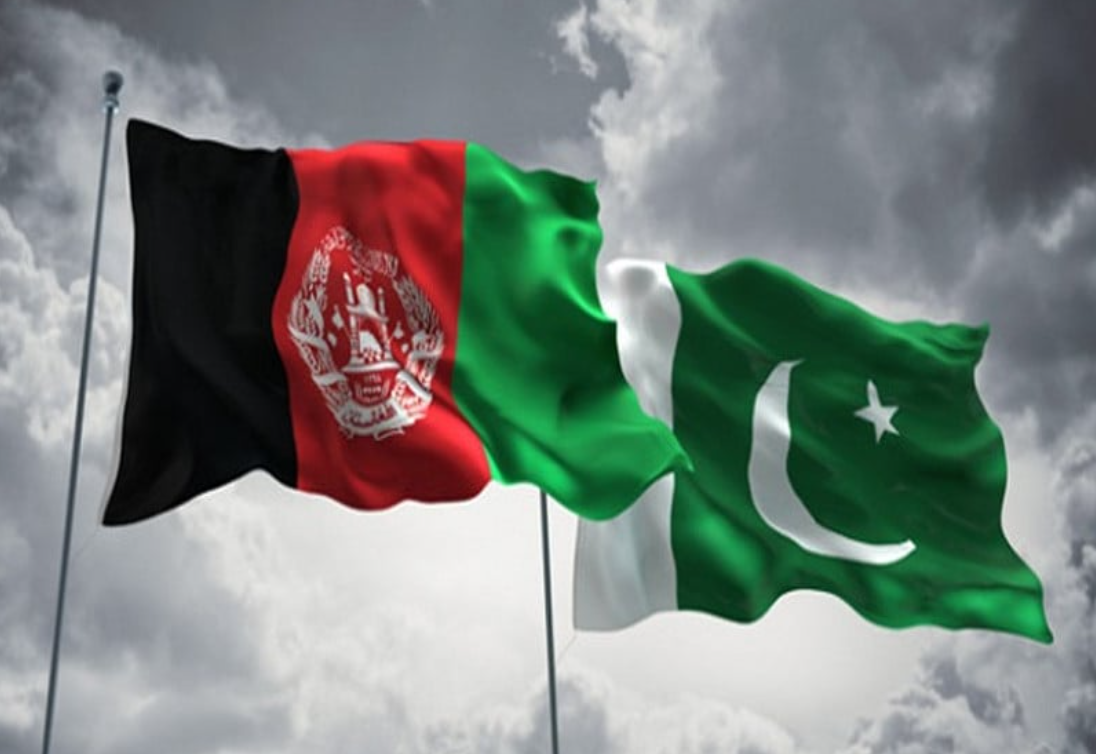

Pakistan and Afghanistan are cautiously improving relations by reducing public confrontations and focusing on behind-the-scenes dialogue. Officials report that mediators encouraged both sides to soften statements to foster a more positive environment for discussions.
In recent weeks, both countries avoided harsh rhetoric, signalling a shift toward measured diplomacy. Core issues, particularly security concerns, remain unresolved but are being addressed discreetly. Mediators persuaded Afghan Taliban leaders to take confidence-building steps, including issuing a religious decree and clear public statements addressing Pakistan’s security worries.
Religious Leaders Play Constructive Role
Afghan religious scholars recently issued a fatwa forbidding attacks beyond Afghanistan’s borders. Pakistani officials welcomed the move as a positive step but emphasized it does not solve long-standing security challenges. Soon after, Afghan Interior Minister Sirajuddin Haqqani assured Pakistan that Afghan soil would not be used against any country.
Deputy Prime Minister and Foreign Minister Ishaq Dar praised Haqqani’s statements, highlighting the importance of dialogue over confrontation. Haqqani reciprocated, welcoming Pakistani clerics’ calls for discussion between the neighbours. Afghanistan’s Foreign Minister Amir Khan Muttaqi also noted that religious leaders often guide societies toward peaceful decisions during tense periods.
Limited Progress on Core Issues
Despite these developments, talks in Saudi Arabia, Türkiye, and Qatar have yet to produce concrete results. Pakistan maintains that improved relations depend on verifiable action against the banned Tehreek-i-Taliban Pakistan, which Islamabad alleges operates from Afghan territory. Kabul insists its land is not used against other countries, often framing the issue as Pakistan’s internal problem.
Ishaq Dar emphasized that Pakistan is monitoring developments closely. He stated that progress depends on Afghanistan fulfilling its commitments with practical measures, particularly in counterterrorism. Dar added that if recent religious decrees and official statements are implemented and visible improvements occur in the coming weeks, Pakistan’s leadership will be ready to reassess relations.
Testing a Softer Approach
Currently, both nations appear to be experimenting with a softer diplomatic approach. Public confrontations are minimized, and conciliatory language is welcomed. Although it remains uncertain whether this change in tone will lead to tangible actions on the ground, the approach marks a notable shift from the sharp exchanges of the past year.
The cautious diplomacy opens a limited window for renewed engagement and could lay the groundwork for future practical cooperation. Analysts suggest that consistent implementation of commitments and visible security improvements will be crucial for sustaining this softer approach.
