


UAP Railway Project
ISLAMABAD: Pakistan and Afghanistan have reaffirmed their commitment to enhancing regional connectivity through the Uzbekistan-Afghanistan-Pakistan (UAP) Railway Line Project, a key trilateral initiative aimed at linking Central Asia with Pakistan’s seaports.
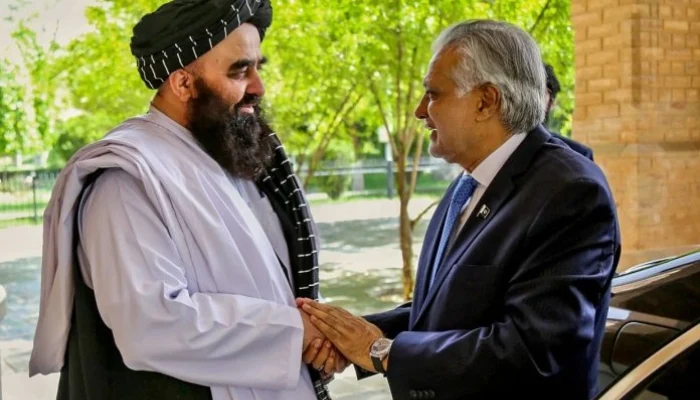
The renewed emphasis came during a telephone conversation between Pakistan’s Deputy Prime Minister and Foreign Minister Senator Ishaq Dar and Acting Afghan Foreign Minister Amir Khan Muttaqi on Sunday.
According to an official statement from Pakistan’s Foreign Office, both leaders stressed the strategic importance of the UAP railway corridor and agreed to work closely to expedite the finalisation of the framework agreement. The project, which will connect Tashkent to Peshawar via Kabul, involves constructing a 573-kilometre rail track and is estimated to cost around $4.8 billion.
Once completed, it will facilitate trade and transit between Central Asia, Afghanistan, and Pakistan—ultimately extending access to the Arabian Sea via the ports of Karachi and Gwadar.
This trilateral railway initiative not only aims to boost economic integration but also serves as a confidence-building measure in a region often challenged by security and political instability. The UAP Railway is expected to create economic opportunities, shorten trade routes, and strengthen people-to-people connectivity.
A day prior to the Pakistan-Afghanistan call, FM Ishaq Dar also spoke with Uzbekistan’s Foreign Minister Saidov Bakhtiyor Odilovich to discuss the modalities and coordination for finalising the framework agreement.
Both officials reviewed potential timelines and arrangements for a formal signing ceremony, likely to take place after consultation with Afghan leadership.
In a significant diplomatic development, the two foreign ministers also welcomed the recent upgrading of diplomatic relations between Pakistan and Afghanistan.
Muttaqi expressed appreciation for Pakistan’s decision to elevate its diplomatic representation in Kabul to the ambassadorial level and confirmed that Afghanistan would reciprocate the gesture by appointing an ambassador to Islamabad.
This exchange marks a breakthrough in Pakistan-Afghanistan relations, which have seen fluctuations in recent years. Until now, both countries had only maintained chargé d’affaires in each other’s capitals. The decision to restore full ambassadorial representation signals improving bilateral ties and a mutual desire to foster stronger engagement.
These moves come as part of broader regional efforts to promote stability and connectivity, with China having already accepted an ambassador from the Taliban-led Afghan government, followed by the United Arab Emirates.
Although formal international recognition of the Taliban government remains limited, such steps indicate growing practical engagement by regional actors.
