


ISLAMABAD: Pakistan announced on Thursday that the second round of talks with the Afghan Taliban will be held tomorrow (Saturday) in Istanbul, Türkiye, as a continuation of the Doha dialogue that led to a temporary ceasefire last week.
Speaking at the weekly Foreign Office briefing, spokesperson Tahir Andrabi said all issues discussed in Doha would form the agenda of the Istanbul meeting. Both sides, he added, are expected to approach the negotiations with the same sincerity and seriousness displayed during the first round of talks.
Andrabi highlighted that since the Doha discussions, no major cross-border terrorist attacks have been reported from Afghan territory, which he described as a “positive outcome” of the dialogue. He also confirmed that a document was signed in Doha, stressing that whether or not the Afghan Taliban government calls it an agreement is secondary — what matters is the understanding reached and tangible results achieved.
Emphasis on Security and Regional Stability
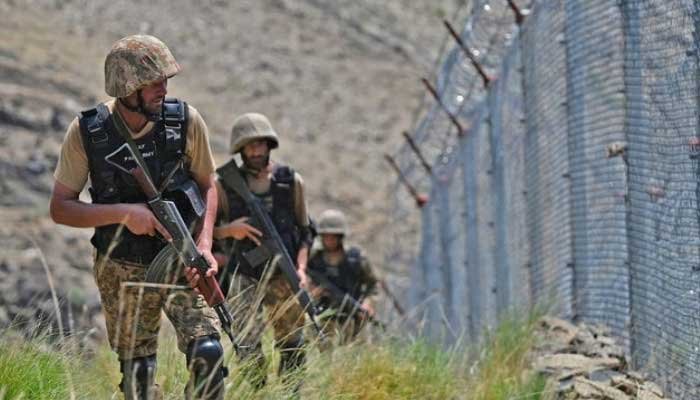
The spokesperson explained that Pakistan temporarily closed border crossings with Afghanistan due to security concerns, emphasizing that the safety of ordinary citizens takes precedence over trade or goods movement. He noted that the security situation has deteriorated in the past due to repeated terrorist attacks originating from Afghan soil, underscoring Pakistan’s continued commitment to sincere engagement with Afghanistan.
“Our message is clear: cross-border terrorism must stop, and Afghan authorities must take verifiable action against those responsible,” Andrabi said. He also addressed regional security issues, stating that Pakistan remains vigilant regarding India’s threats and is fully prepared to respond to any aggression in Azad Jammu and Kashmir.
Furthermore, Andrabi noted that Pakistan is closely monitoring Israeli violations and the broader regional implications of the ongoing Middle East conflict, highlighting Islamabad’s proactive stance on both domestic and international security challenges.
The Istanbul meeting is widely seen as a critical step in consolidating the progress made in Doha, ensuring continued peace along the Pakistan-Afghanistan border, and maintaining regional stability amid rising cross-border security threats.
