

Islamabad Blames Israeli Strikes for Rising Tensions
Pakistan has blamed Israel for escalating the ongoing conflict with Iran. Deputy Prime Minister Ishaq Dar stated that recent Israeli attacks have made the situation more dangerous.
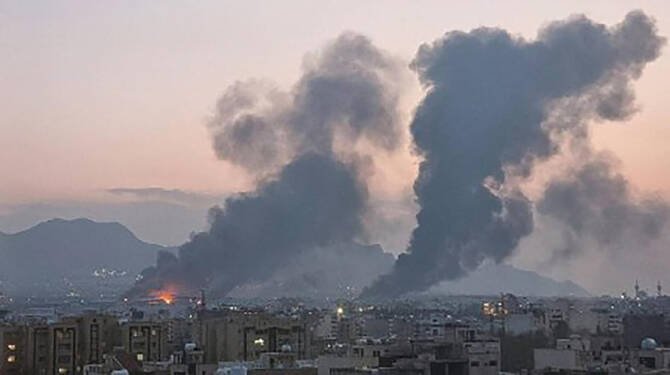
While addressing the Senate, Dar highlighted that a major strike on Tehran and a subsequent attack on Jubail in Saudi Arabia increased regional instability. He said these developments came at a critical time. Both the United States and Iran were preparing for possible engagement.
According to Dar, the strikes disrupted diplomatic momentum. Pakistan had been working to facilitate ceasefire talks between Washington and Tehran. The latest escalation has complicated those efforts.
The conflict originally intensified after joint US-Israeli attacks on Iran earlier this year. Since then, tensions have continued to rise across the region.
Pakistan Leads Diplomatic Efforts for De-escalation
Ishaq Dar said Pakistan has remained actively involved since the beginning of the crisis. He revealed that he immediately condemned the first attack while attending a meeting in Madina. He also contacted the Foreign Office to issue a strong response.
Dar confirmed that he reached out to Iran’s foreign minister soon after the attack. He conveyed Pakistan’s support and assured efforts to promote regional unity. Islamabad has since engaged multiple countries to reduce tensions.
These include China, Japan, the United Kingdom, and Canada. Pakistan also coordinated with European states to encourage restraint.
Prime Minister Shehbaz Sharif and Syed Asim Munir have remained fully engaged. The Foreign Office continues to play a key role in diplomatic outreach.
Dar emphasized that Pakistan acted as a mediator with caution. The goal was to avoid disrupting sensitive negotiations. He said diplomacy remains the only path forward.
Regional Meetings and Global Concerns Intensify
Pakistan has also participated in regional peace initiatives. A key meeting was hosted in Riyadh on March 19. It included 12 countries and resulted in a joint statement condemning Israeli actions.
A four-country group involving Saudi Arabia, Egypt, Turkiye, and Pakistan has been working toward peace. A follow-up meeting was later held in Islamabad.
Foreign ministers from these countries met on March 29. They discussed strategies to reduce tensions and promote dialogue. Pakistan also engaged China at a high level. A five-point peace plan was discussed and later made public.
Dar informed the Senate that the United Nations Secretary-General appreciated Pakistan’s efforts. He also offered support for ongoing diplomatic initiatives.
Despite these efforts, fresh developments have complicated the situation. Dar warned that prolonged conflict could have serious global consequences. Rising oil prices and economic instability are major concerns.
He stressed that the crisis could impact not only the Middle East but also the global economy. Pakistan remains hopeful that diplomacy will eventually succeed. Officials continue to push for a peaceful and dignified resolution.
The situation remains tense as military actions continue. However, Pakistan is urging all sides to return to dialogue. The coming days will be critical for regional peace.

