

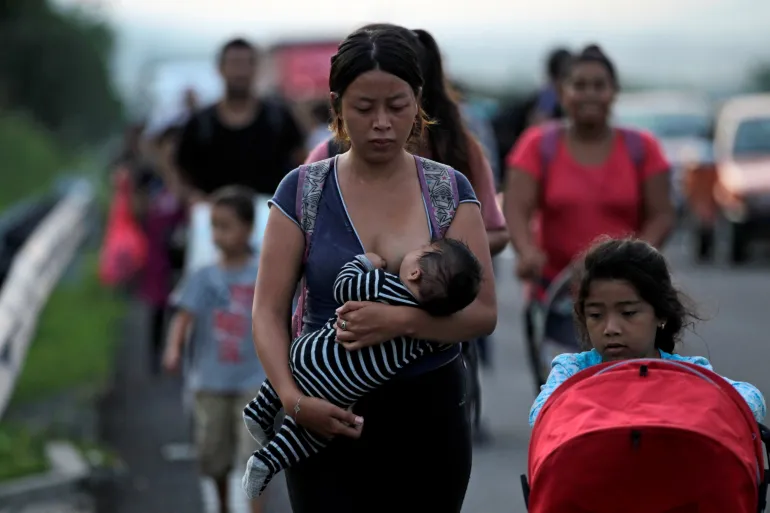

Mass Exit Reported After New Administration Takes Office
More than 2.5 million undocumented migrants left the United States in 2025, according to the Department of Homeland Security. The figures were released on Wednesday. DHS said the departures occurred after the Trump administration assumed office on January 20, 2025. Immigration enforcement has expanded rapidly since then. Officials described the shift as a return to strict border and interior control.
Deportations and Self-Departures Combined
DHS data shows two main categories of exits. Over 605,000 migrants were formally deported. These removals followed court orders or administrative decisions. Around 1.9 million others left through what DHS calls “self-departures.” These migrants left voluntarily. However, many did so under growing enforcement pressure. Critics argue these exits were not entirely voluntary.
Use of Incentives to Encourage Voluntary Exit
The government promoted self-departure through a mobile application. The app offers free airline tickets. It also provides a $1,000 financial incentive. DHS said the program reduces detention costs. Officials claim it allows migrants to leave with dignity. Immigration advocates say fear of arrest plays a major role in these decisions.
Focus on Criminal Offenders Highlighted
DHS said enforcement priorities target individuals labeled as criminal offenders. Officials insist public safety drives the policy. The department framed the figures as proof of restored “law and order.” However, experts note that removals historically reported separately are now combined. This makes year-to-year comparisons difficult.
Detention Centers Face Growing Pressure
Interior enforcement has increased sharply. ICE detention centers now hold record numbers of migrants. Capacity is strained nationwide. Human rights groups raise due process concerns. Immigration courts remain backlogged. Many cases take years to resolve. Lawyers warn that detainees face limited legal access.
Travel Bans Expanded to More Countries
The announcement coincided with expanded US travel restrictions. On December 16, the White House added seven countries to the ban list. These include Syria and Palestinian Authority travel document holders. African nations such as Burkina Faso, Mali, Niger, South Sudan, and Sierra Leone were added. Laos was also included. The total now stands at 20 countries.
Security Concerns Drive Entry Restrictions
The administration says weak identity systems justify the bans. Officials cite poor information sharing as a risk. Many affected countries are Muslim-majority or conflict-affected. Human rights groups criticize the approach. They say nationality-based bans violate international norms. Diplomats warn of strained global cooperation.
Terrorism and Immigration Linked in Policy Debate
US officials increasingly link immigration to counter-terrorism. Recent violent incidents have shaped policy messaging. The White House cited an Afghan suspect arrested after a shooting involving National Guard troops. This was used to justify tighter restrictions. Critics argue such cases are rare and misleading.
Contrasting Voices Call for Unity
Senator Bernie Sanders offered a different view. He referenced a recent attack in Sydney. Sanders highlighted a Muslim man who stopped violence against Jewish worshippers. He called for unity across faiths. He urged an end to antisemitism and Islamophobia. His message stressed shared human values.
Impact on Pakistani Nationals in the US
Pakistan is not on the travel ban list. Still, Pakistani nationals feel the effects. Many live in the US on student or work visas. Immigration lawyers report increased scrutiny. Visa renewals face delays. Airport inspections have intensified. Visa overstays face higher enforcement risks.
Community Fear and Economic Effects
Community groups say fear has reduced public engagement. Mixed-status families feel especially vulnerable. Economists warn about return migration challenges. Many returnees face underemployment. Skills tied to US markets may not transfer easily. Inside the US, labor shortages are growing. Agriculture and construction are affected most.
A Defining Shift in US Immigration Policy
International reactions remain mixed. Some governments support US security goals. Others warn of humanitarian costs. DHS’s announcement marks a turning point. US immigration policy is now firmly enforcement-driven. National security has become the central pillar.
