

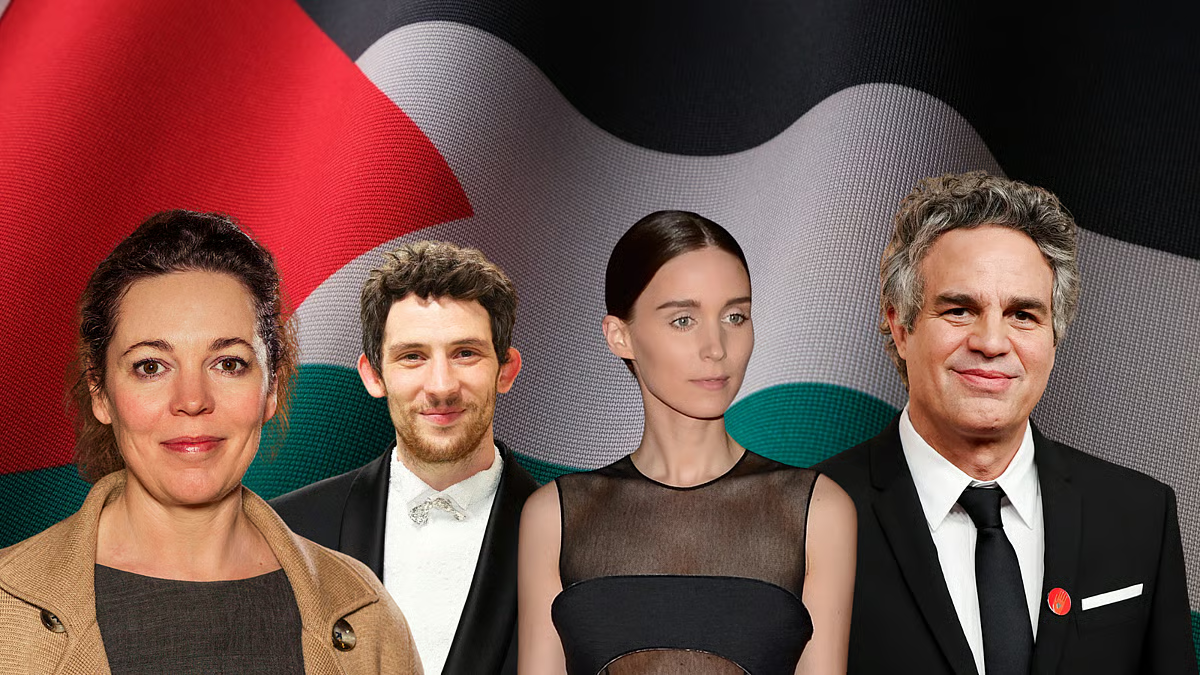

Over 1,300 members of the global film industry, including high-profile actors and filmmakers, have pledged not to work with Israeli film institutions implicated in the ongoing genocide and apartheid against the Palestinian people.
Prominent names signing the Film Workers for Palestine pledge include Mark Ruffalo, Javier Bardem, Olivia Colman, Ilana Glazer, Indira Varma, Mary Elizabeth Winstead, Paapa Essiedu, Aimee Lou Wood, Alyssa Milano, Benedict Wong, Susan Sarandon, Tilda Swinton, Ava DuVernay, Zawe Ashton, Cynthia Nixon, and many others.
In a statement, the Film Workers for Palestine highlighted the role of cinema in shaping perceptions and stressed the moral responsibility of industry professionals to oppose complicity in the crisis in Gaza.
The group referenced the International Court of Justice’s ruling that there is a “plausible risk of genocide in Gaza” and noted that Israel’s occupation and apartheid policies against Palestinians are unlawful. The pledge calls on filmmakers, actors, and institutions to stand for equality, justice, and freedom while refusing to support Israeli institutions implicated in these violations.
The pledge explicitly targets institutions, not individuals, meaning signatories may still collaborate with Israelis. It cites examples of institutional complicity, such as whitewashing or justifying genocide and apartheid, or partnering with the Israeli government during these actions.
Key institutions mentioned include major Israeli film festivals such as the Jerusalem Film Festival, Haifa International Film Festival, Docaviv, and TLVfest, which maintain partnerships with the government amid alleged atrocities in Gaza.
Inspired by historical actions like the cultural boycott of apartheid-era South Africa, the pledge commits to refusing screenings, appearances, or work with Israeli institutions.
It follows other cultural and literary actions, including over 300 British and Irish writers denouncing Israel’s actions in Gaza and the UK’s Royal Ballet and Opera cancelling a 2026 production at the Israeli Opera after criticism from 182 members. The movement underscores the growing international effort within the arts community to hold institutions accountable for complicity in human rights abuses.
