

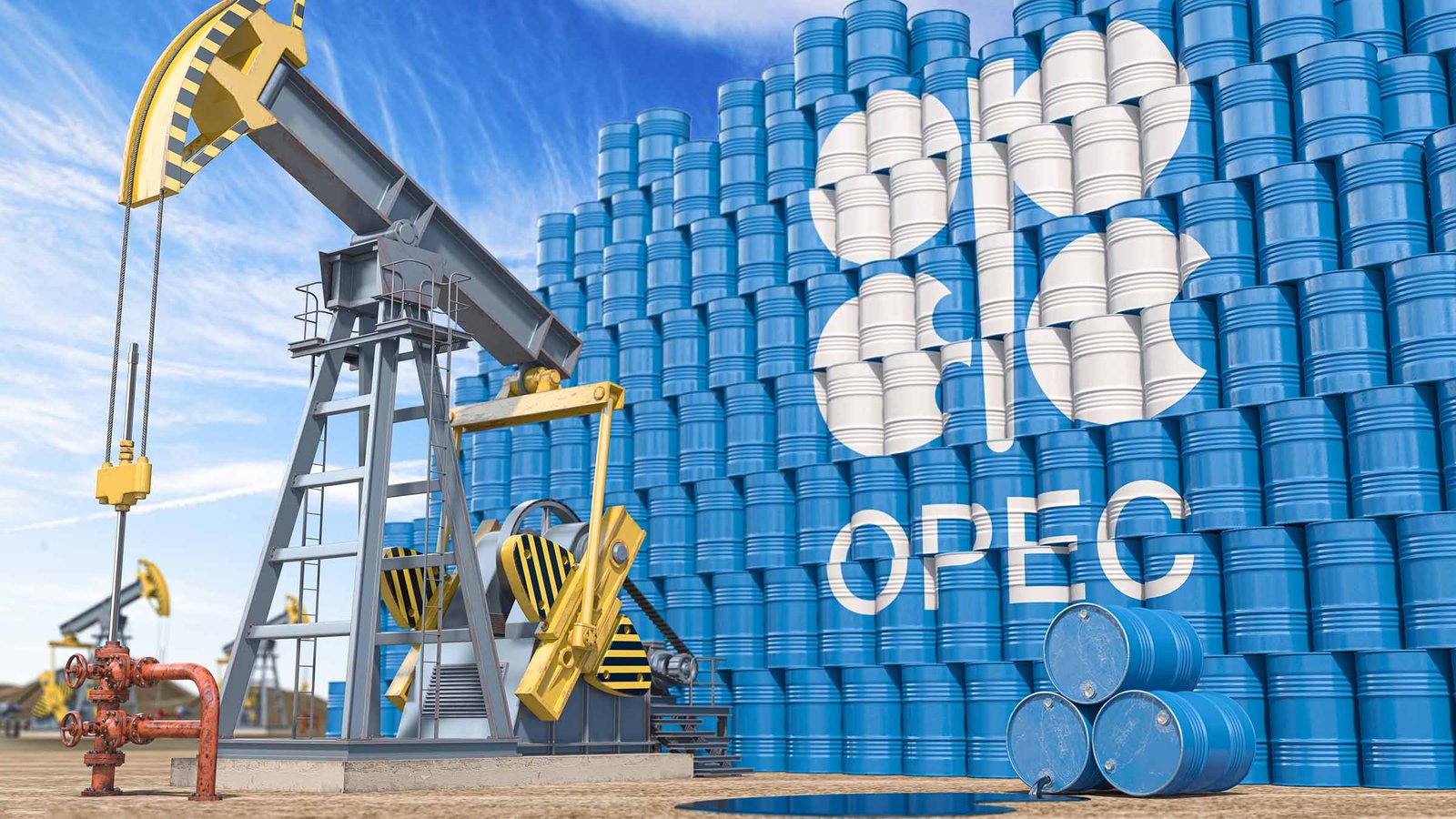

On Sunday, certain OPEC+ members reached an agreement to prolong voluntary reductions in oil output through the second quarter, according to sources. This decision aims to provide additional support to the market, addressing concerns about global economic growth.
In November, OPEC+ had initially agreed to voluntary production cuts amounting to approximately 2.2 million barrels per day (bpd) for the first quarter. This initiative was spearheaded by Saudi Arabia, which extended its voluntary cut.
Since late 2022, OPEC+ has implemented a series of output cuts to stabilize the market amid increased production from non-member nations, particularly the United States, and concerns regarding demand in the face of elevated interest rates in major economies.
Oil prices have been influenced by geopolitical tensions, such as attacks on Red Sea shipping by the Iran-aligned Houthi group, and apprehensions about economic growth and high-interest rates. Brent futures for May concluded Friday $1.64 higher, representing a 2% increase, settling at $83.55 per barrel.

Sources previously indicated to Reuters that there was a likelihood of OPEC+ extending oil output cuts into the second quarter. Individual OPEC+ member countries announce their specific cut plans.
On Sunday, Russian Deputy Prime Minister Alexander Novak stated that Russia would decrease oil production and exports by an additional 471,000 bpd for the second quarter of 2024, in coordination with select OPEC+ participants. Kuwait announced a 135,000 bpd reduction in oil output until June, while Algeria and Oman committed to curbing their outputs by 51,000 bpd and 42,000 bpd, respectively.
The oil demand outlook for this year remains uncertain. OPEC anticipates another year of relatively robust demand growth at 2.25 million bpd, led by Asia. In contrast, the International Energy Agency foresees significantly slower growth at 1.22 million bpd.
