

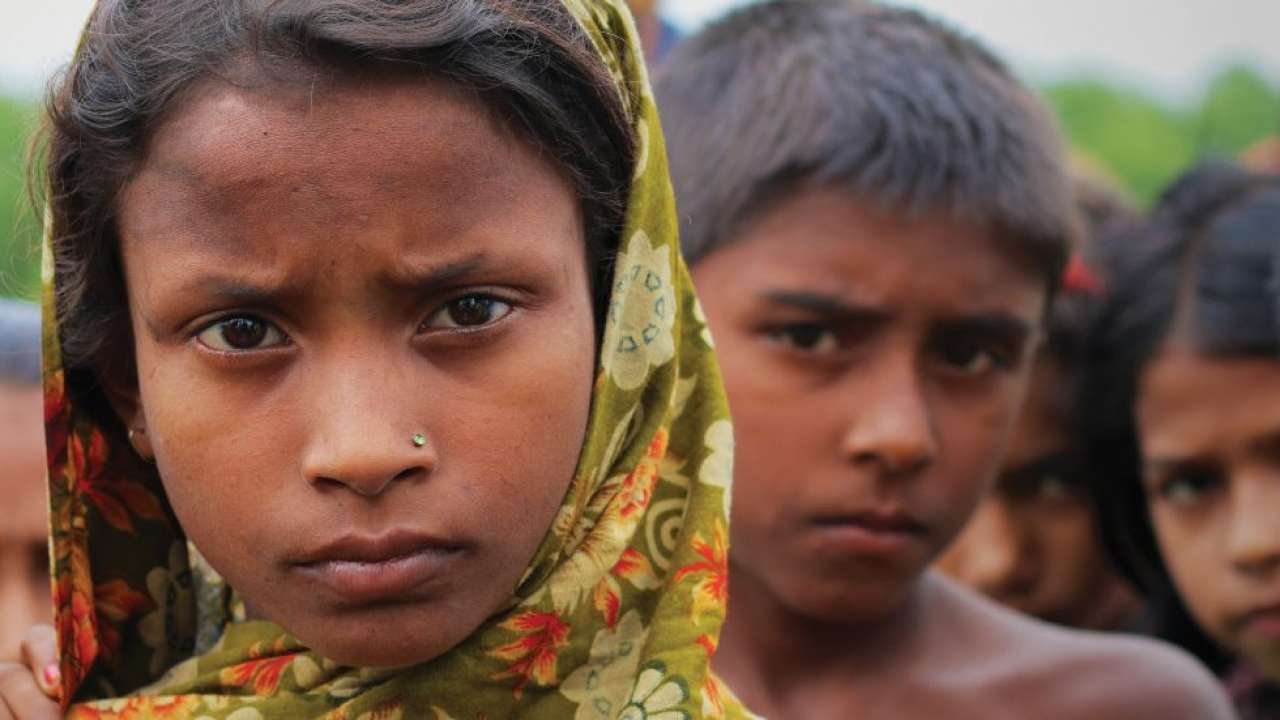

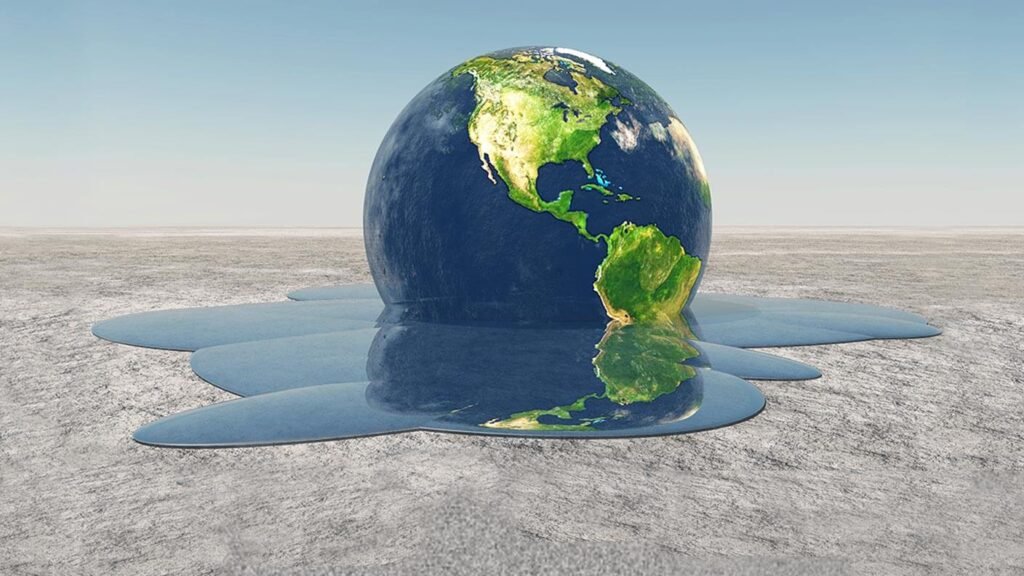
The impact of climate change is putting one billion children at “extremely high risk,” according to a rights group, which also noted that youths’ living conditions have not increased in the previous ten years.
The KidsRights index, which was developed using data from UN agencies, estimates that 820 million children globally, or more than a third of all children, are currently exposed to heatwaves.
According to the Dutch NGO KidsRights, 920 million children globally were afflicted by water scarcity, while 600 million children, or one in every four, were plagued by diseases like malaria and dengue.
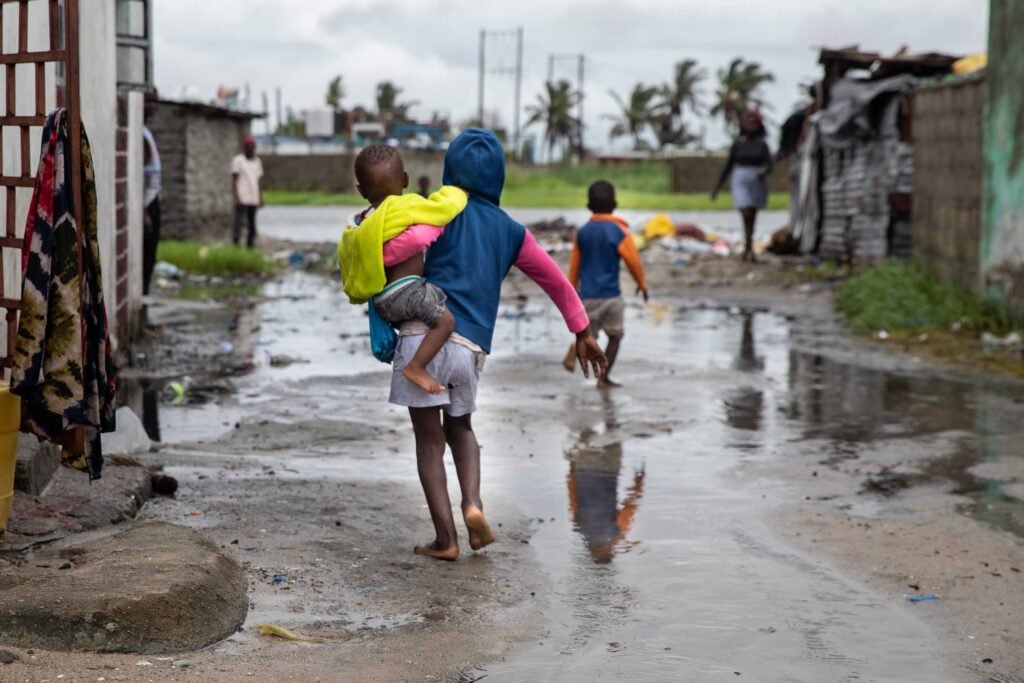
According to the KidsRights Index, out of 185 countries, Sierra Leone, Afghanistan, and Chad are the nations with the worst records for children’s rights, followed by Iceland, Sweden, and Finland. It is the first and only index that evaluates the observance of children’s rights on a yearly basis.
The only change in the top three countries from the previous year was Sweden’s position, which jumped from fourth to second.
According to Marc Dullaert, founder and chairman of KidsRights, the research from this year is “alarming for our current and future generations of children.”
He asserted that the fast-altering environment is currently endangering their chances and their fundamental rights.
The Covid-19 pandemic has had a substantial detrimental influence on children’s ability to sustain themselves, and their living standards have not changed significantly in the last ten years Dullaert continued.
According to KidsRights, the Covid-19 outbreak caused around 286,000 children under the age of five to pass away because they were unable to obtain food or medical care due to disruptions and clinic closures.
According to the KidsRights Index, which was created in collaboration with Erasmus University in Rotterdam, there are now 160 million child labourers worldwide, which is an increase of 8.4 million over the previous four years, as well as the highest level in twenty years.
Bangladesh as having significantly raised its rankings in terms of children’s rights.
While Angola has more than cut in half the death rate for children under the age of five, Bangladesh has nearly cut in half the number of underweight children under the age of five.
Poor immunisation rates in Montenegro, which scored 49 on the index, were also criticised in the study.
The survey uses UN data to evaluate how well each country complies with the UN Convention on the Rights of the Child.
