

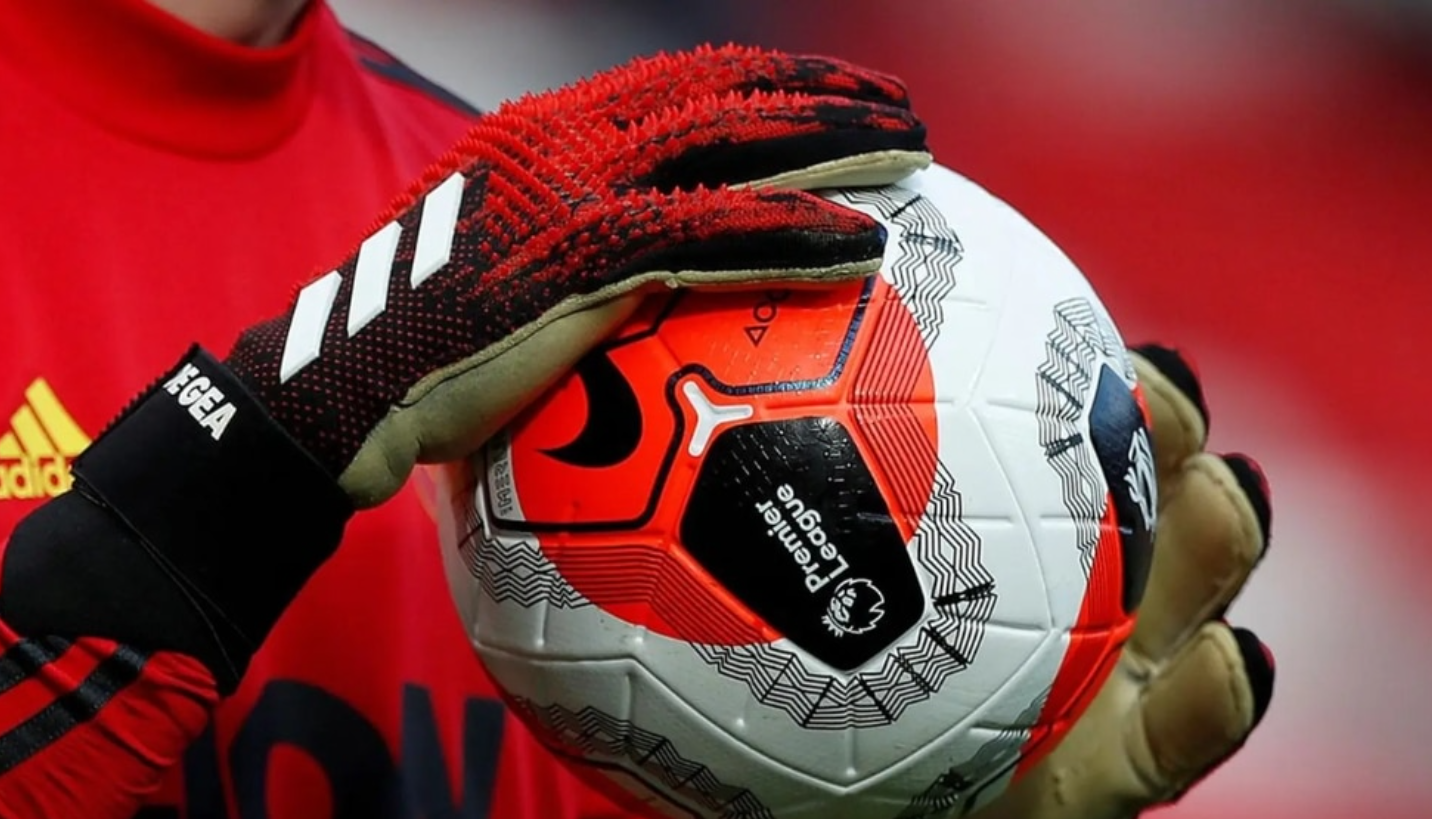

North Korea is set to broadcast English Premier League matches for the first time, marking a rare development in the country’s media landscape. The decision allows local fans to access international football, though under strictly controlled conditions imposed by the government.
The move follows months of planning and represents a carefully managed introduction of foreign entertainment. North Korean authorities have set clear rules to ensure broadcasts fit the state’s cultural and political guidelines.
Tightly Controlled Broadcasts
Premier League matches in North Korea will undergo heavy editing before airing. Every game will be shortened to 60 minutes, removing large portions of play and altering the match flow. Additionally, all English text in stadiums and advertising boards will be replaced with North Korean graphics.
The government has also instructed the removal of any LGBTQ+ symbols or rainbow imagery. Matches featuring South Korean players will be excluded entirely, reflecting ongoing political tensions between the two countries. Notable South Korean players such as Kim Ji-soo and Hwang Hee-chan will not appear in broadcasts.
No Live Matches
North Korean fans will not see live Premier League matches. Every game will go through a rigorous pre-broadcast editing process, ensuring complete government control over what citizens watch. The resulting product will be a uniquely tailored version of the Premier League, different from the global experience.
Impact on Local Football Fans
Despite the limitations, this initiative allows North Koreans to witness international football for the first time. It is seen as a controlled step toward opening the media landscape while maintaining the regime’s narrative.
Fans inside the country will experience shortened matches with edited visuals, yet they gain exposure to world-class football. This cautious approach highlights how the regime carefully balances entertainment with strict oversight.
Global Perspective
For international audiences, the idea of a 60-minute Premier League match stripped of players, signage, and symbols may seem unthinkable. However, within North Korea, it represents a strategic compromise between cultural isolation and the public’s desire for global sports content.
The edited broadcasts show the regime’s control over media while allowing limited exposure to foreign entertainment. It is a reminder that even globally popular sports must conform to local political and cultural rules.
North Korea’s first-ever broadcast of Premier League matches is a historic but highly controlled step. Fans will experience international football in a new, edited format. The development signals a cautious shift in media policy, balancing exposure to global sports with strict government oversight.
