
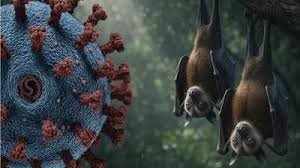

PARIS — A health worker in India has died from the Nipah virus, officials confirmed Thursday, as scientists stress that while the virus spreads slowly, it kills up to 75% of those infected.
The nurse was one of two people infected in West Bengal state in December. She died of cardiac arrest, according to Health Secretary Narayan Swaroop Nigam.
The death follows two small clusters along the India-Bangladesh border in early 2026. The World Health Organization said the outbreaks are not linked, and after tracing more than 230 contacts, no other cases have been identified.
What is Nipah?
First identified in 1998 among pig farmers in Malaysia, Nipah is transmitted primarily by fruit bats. It can spread to humans through infected animals or contaminated food, and less commonly, through close contact with an infected person’s bodily fluids.
Symptoms begin with fever and vomiting, but can rapidly escalate to encephalitis, seizures, or acute respiratory failure.
Why it matters
Nipah’s case fatality rate is estimated between 40% and 75%. Yet it spreads inefficiently: each infected person passes it to fewer than one other, on average. That limits outbreaks but doesn’t prevent them.
There is no specific treatment or vaccine, though several candidates are in development. Prevention relies on behavior: avoiding raw palm sap, washing fruit, and limiting contact with bats.
Current risk
The WHO considers the risk of regional or global spread “low.” Thailand, Malaysia, and Singapore have strengthened border controls, and some countries screen travelers from affected areas.
Still, the WHO classifies Nipah as a high-priority pathogen. Its high mortality, combined with the absence of medical countermeasures, keeps it firmly on scientists’ radar.

