


Former French president Nicolas Sarkozy has been handed a five-year jail sentence after being found guilty of criminal conspiracy in connection with alleged financial dealings involving Libya. The ruling marks an unprecedented development in French political history, as no other modern head of state has received such a sentence.
The court ruled that Sarkozy, who served as president from 2007 to 2012, must begin serving his sentence soon, even as he pursues an appeal. Prosecutors have confirmed that he will be given only a short period to settle personal affairs before reporting to jail, a process expected within the next month.
Sarkozy Reacts to the Verdict
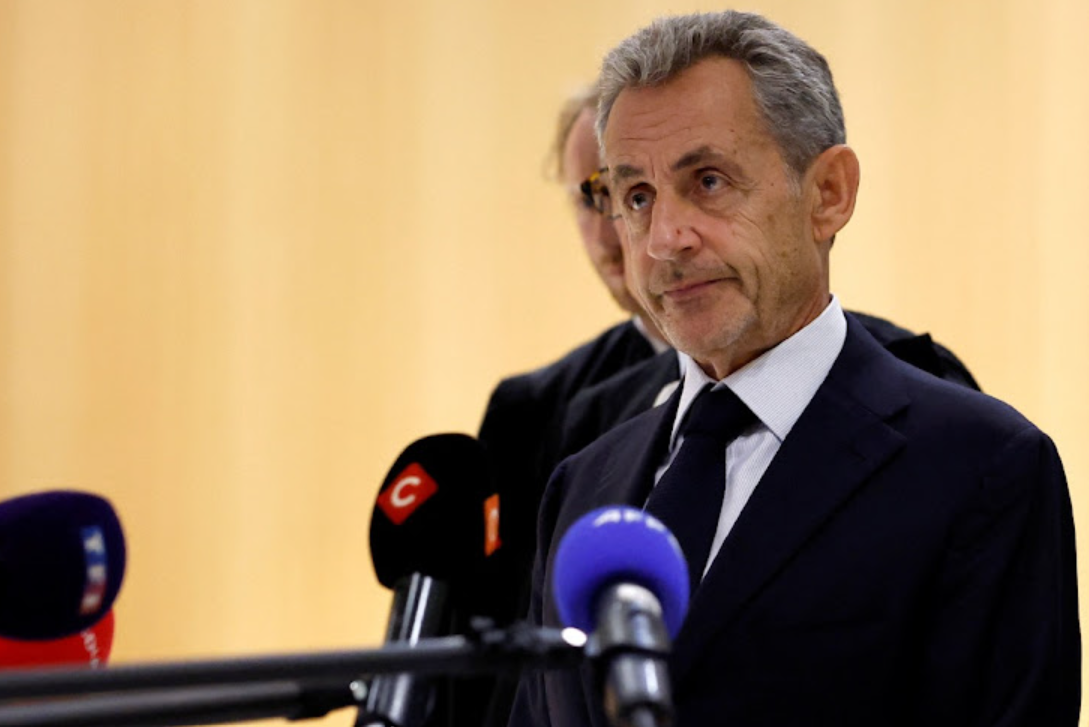
Speaking outside the courthouse, the 70-year-old politician strongly criticized the decision. Sarkozy stated that the ruling undermines trust in the justice system and declared himself innocent. He added that if forced to go to prison, he would do so with dignity and with his “head held high.”
The court, however, stood firm on its position. While Sarkozy was cleared of corruption and receiving illegal campaign financing, the judges determined that he was guilty of criminal conspiracy for permitting close aides to engage with Libyan intermediaries to secure funds for his 2007 presidential campaign.
Background of the Case
The accusations date back to 2005, when Sarkozy was France’s interior minister. Prosecutors alleged that he made a deal with then-Libyan leader Muammar Gaddafi to gain campaign financing in exchange for supporting Libya’s international recognition.
Although the judge noted that there was no direct evidence showing money from Libya reached Sarkozy’s campaign accounts, the court emphasized that the timing and channels of financial transfers appeared highly suspicious. Consequently, Sarkozy was found guilty of conspiring with aides to seek illicit support from Libya.
Legal Challenges and Ongoing Investigations
This latest ruling adds to Sarkozy’s growing list of legal troubles. Since leaving office, he has faced multiple trials and convictions. Last year, France’s highest court upheld his conviction for corruption and influence peddling, requiring him to wear an electronic monitoring tag for one year. That order marked the first time a French head of state had been subjected to such restrictions.
Additionally, Sarkozy was convicted in a separate case for illegal campaign financing tied to his failed 2012 re-election bid. A final ruling from France’s highest court on that case is expected in the coming weeks.
Earlier this year, another major French political figure, Marine Le Pen, was convicted of embezzling EU funds, receiving an immediate five-year ban from holding office. These back-to-back rulings underscore a new era of judicial accountability in French politics.
Sarkozy’s Influence Despite Convictions
Despite his convictions, Sarkozy remains a significant player in the political landscape. He continues to maintain connections with influential figures, including Prime Minister Sebastien Lecornu. He has also lent support to the far-right National Rally, led by Marine Le Pen, suggesting the party now fits within France’s “republican arc.”
However, Sarkozy’s reputation has been severely damaged. In June, he was stripped of the prestigious Legion of Honour, France’s highest civilian distinction. The combination of legal setbacks and public criticism has further complicated his political legacy.
The five-year jail sentence against Nicolas Sarkozy represents a historic and sobering moment in French political life. While he insists on his innocence and frames the case as politically motivated, the ruling demonstrates the growing determination of French courts to hold leaders accountable.
The verdict not only impacts Sarkozy’s personal future but also sets a precedent for the treatment of corruption cases involving high-ranking officials. With additional legal rulings pending, Sarkozy’s troubles are far from over, and his once-dominant influence in French politics faces a sharp decline.
