

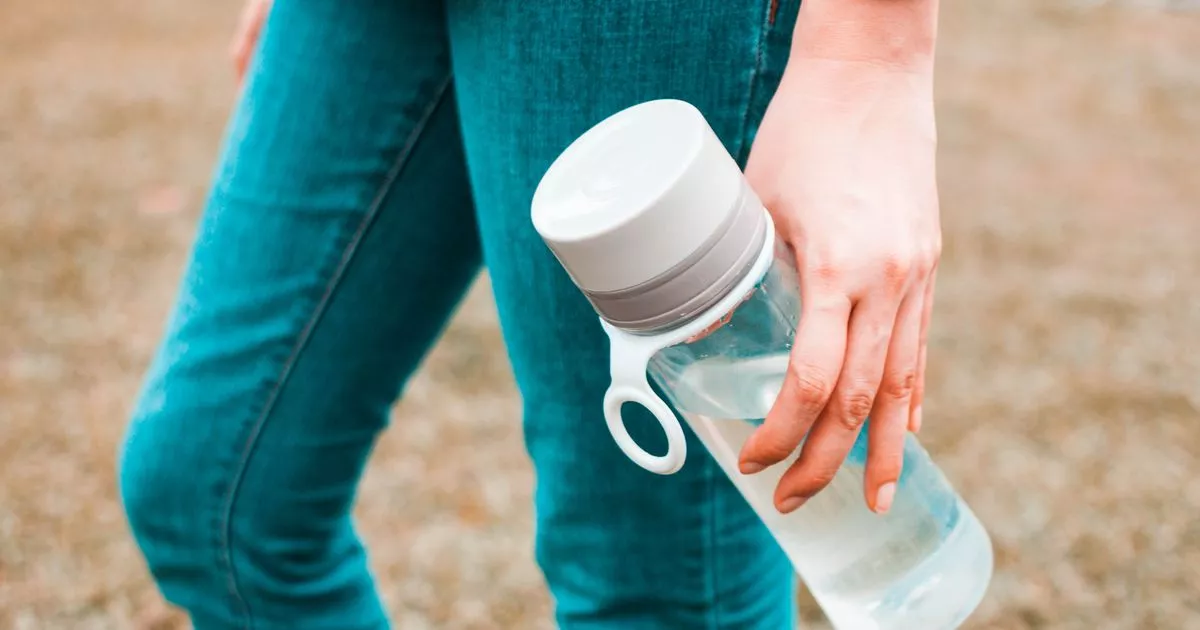

Many people assume that refilling a water bottle with “just water” carries little or no risk, but health experts warn that this belief can lead to significant hygiene problems.
New research published on a medical website highlights that even the bottles we use every day can become ideal environments for harmful microbes to grow, especially when they are not cleaned properly. Experts emphasize that regular and thorough cleaning is critical to reducing potential health risks.
According to the research, bacteria and fungi can easily enter bottles through our lips, tongue, hands, or even the bottle cap. Once inside, germs tend to accumulate on commonly overlooked areas such as the inner lining, bottle holders, straws, and tubes.
These spots often remain damp, allowing microbes to multiply quickly and adhere to surfaces. The study notes that glass, metal, and plastic bottles are all susceptible to contamination if not washed regularly. Plastic bottles in particular may be slightly more vulnerable, as scratches on the inner surface can trap microbes and help them survive longer.
Daily cleaning is essential to maintain safe hydration habits. Experts recommend washing the bottle thoroughly—inside and out—with warm, soapy water each day and ensuring it is completely dried before refilling, since moisture encourages bacterial growth.
A weekly deep clean is also advised. For dishwasher-safe bottles, running them through a dishwasher cycle is effective. For others, scrubbing with a vinegar or baking soda solution provides a reliable alternative.
The need for regular cleaning becomes even more important when bottles are used for protein shakes, sports drinks, or sugary beverages. Sugar and starch residues serve as a nutrient source for bacteria, leading to faster microbial growth.
Experts also strongly caution against reusing disposable plastic bottles, as they can release chemicals and develop scratches that harbor germs. Any bottle with an unusual odor or discoloration should be emptied and cleaned immediately.
