

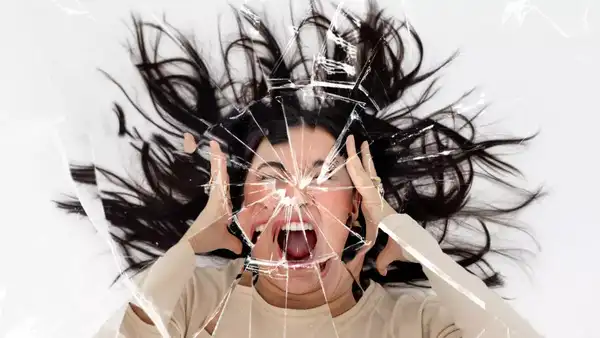

A new study published in the journal Menopause has revealed a fascinating emotional shift in women as they age: while their feelings of anger intensify, they are increasingly less likely to express that anger outwardly.
The findings, recently highlighted by The Wall Street Journal, underscore a complex relationship between age, emotional regulation, and the psychological transitions women face during midlife.
Researchers analyzed data from 271 women who participated in the long-term Seattle Midlife Women’s Health Study. The participants, aged between 35 and 55, were all premenopausal at the time of the study. Most were well-educated, employed, married, and had a median income, with an average age of 41.6 years when the research began in the early 1990s.
The study found that “state anger” — defined as the emotional experience of feeling angry — increased with chronological age. Yet, paradoxically, the women became less likely to express this anger outwardly as they grew older. This shift suggests a growing mastery of emotional regulation, particularly during the late reproductive and menopausal transition stages.
According to the study, there was a noticeable spike in feelings of anger during the late reproductive phase. However, as women moved closer to menopause, they expressed this anger less frequently and did so with reduced intensity, aggression, or hostility. The findings imply that women, through accumulated life experience and hormonal changes, may develop stronger emotional coping mechanisms over time.
Interestingly, the study noted that “anger suppressed” — or the act of internally bottling up anger — did not significantly change with age, raising further questions about how unexpressed anger might affect long-term mental health and well-being.
Monica Christmas, Associate Medical Director of the Menopause Society, emphasized the broader significance of these findings. “The mental health side of the menopause transition can have a significant effect on a woman’s personal and professional life,” she said in a press release. “Educating women about the possibility of mood changes during these vulnerable windows and actively managing symptoms can have a profound effect on overall quality of life and health.”
The study suggests that anger during midlife may not be merely a symptom of hormonal changes but could serve as a critical part of emotional growth.
Researchers believe that repeated exposure to challenging emotional experiences may empower women to develop more effective strategies to manage their emotions — leading to healthier psychological outcomes during and after the menopausal transition.
As awareness grows around the emotional realities of midlife women, experts urge healthcare providers and support systems to address not only physical symptoms of menopause but also the emotional and psychological aspects that can significantly shape women’s lives during this pivotal stage.
