


High-Fat Foods Could Protect Brain Health
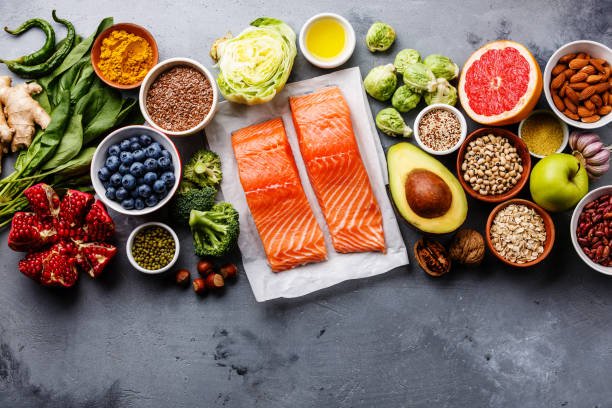
A recent study from the University of Missouri suggests that a ketogenic diet may help reduce the risk of Alzheimer’s disease. The research, published in the Journal of Neurochemistry, shows that high-fat, low-carb foods like fish, nuts, and berries may preserve brain function, especially in people with a genetic risk.
Researchers focused on individuals carrying the APOE4 gene, the strongest known genetic risk factor for Alzheimer’s. This gene is linked to early brain metabolism issues and changes in gut bacteria. The study explored whether dietary changes could influence the gene’s effects before symptoms of Alzheimer’s appear.
Ketogenic Diet Supports Brain and Gut Health
The ketogenic diet shifts the body’s energy source from carbs to fats, producing conditions that may protect brain cells. In the study, participants following the diet showed signs of slowed or halted brain decline. The diet also appeared to improve gut health, which plays a role in brain function.
Researchers believe that a diet rich in healthy fats—like those found in fatty fish, nuts, and berries—can help maintain a metabolic balance that protects against aging and disease. However, they cautioned that more long-term studies are needed to confirm the diet’s full impact on Alzheimer’s risk.
The team emphasized the importance of early prevention strategies, especially for those genetically predisposed to the disease. They also recommend consulting healthcare professionals before making major dietary changes.
