

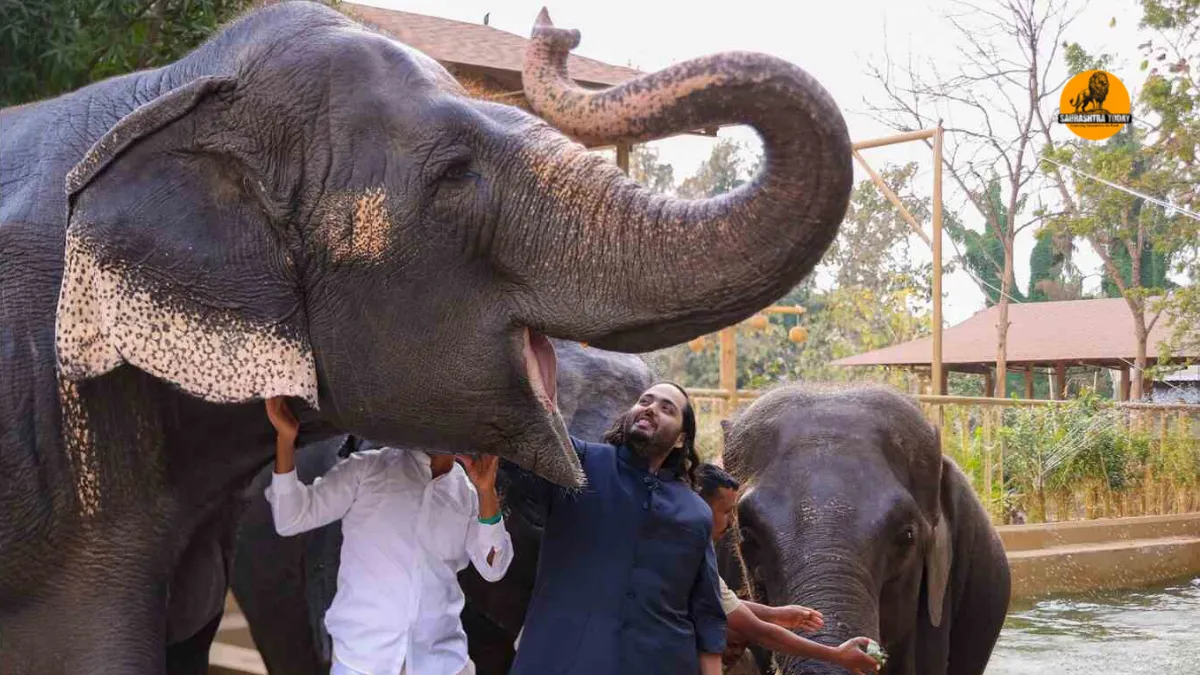

India has urged a UN wildlife trade body not to restrict its imports of endangered species, citing strengthened oversight amid allegations of irregular animal shipments to Vantara, a 3,500-acre private zoo in Gujarat run by the philanthropic arm of Mukesh Ambani’s conglomerate.
The zoo, home to around 2,000 species, including exotic animals such as tigers, cheetahs, giraffes, chimpanzees, snakes, and tortoises, has faced scrutiny from Germany and the European Union over alleged improper imports.
Indian investigators appointed by the Supreme Court cleared Vantara of any wrongdoing in September, confirming that the sanctuary complies with all national and international regulations.
Despite this, the Secretariat of the Convention on International Trade in Endangered Species of Wild Fauna and Flora (CITES) issued a report last week recommending that India halt new import permits for endangered species until safeguards are tightened. The report highlighted discrepancies between exporter and importer trade data and flagged concerns about insufficient checks on the origin of certain animals.
In a submission to CITES on November 10, India argued that any restrictive or punitive measure would be legally unfounded, premature, and disproportionate, effectively amounting to a de facto suspension of lawful imports.
The government emphasized that it has strengthened inspection and reporting mechanisms for all recognized zoos, including Vantara, and instructed the Central Zoo Authority to ensure enhanced due diligence for all future acquisitions.
While CITES acknowledged that Vantara operates facilities of “exceptionally high standards,” it warned that without stricter checks, animals sourced from the wild could be misrepresented as captive-bred. Vantara has defended its import practices, noting that recent shipments valued at $9 million reflected freight and insurance charges rather than payments for wildlife.
The Indian government’s submission underscores its stance that Vantara’s operations comply with existing regulations, aiming to maintain the legal framework of endangered species trade while ensuring continued oversight and transparency for future imports.
