

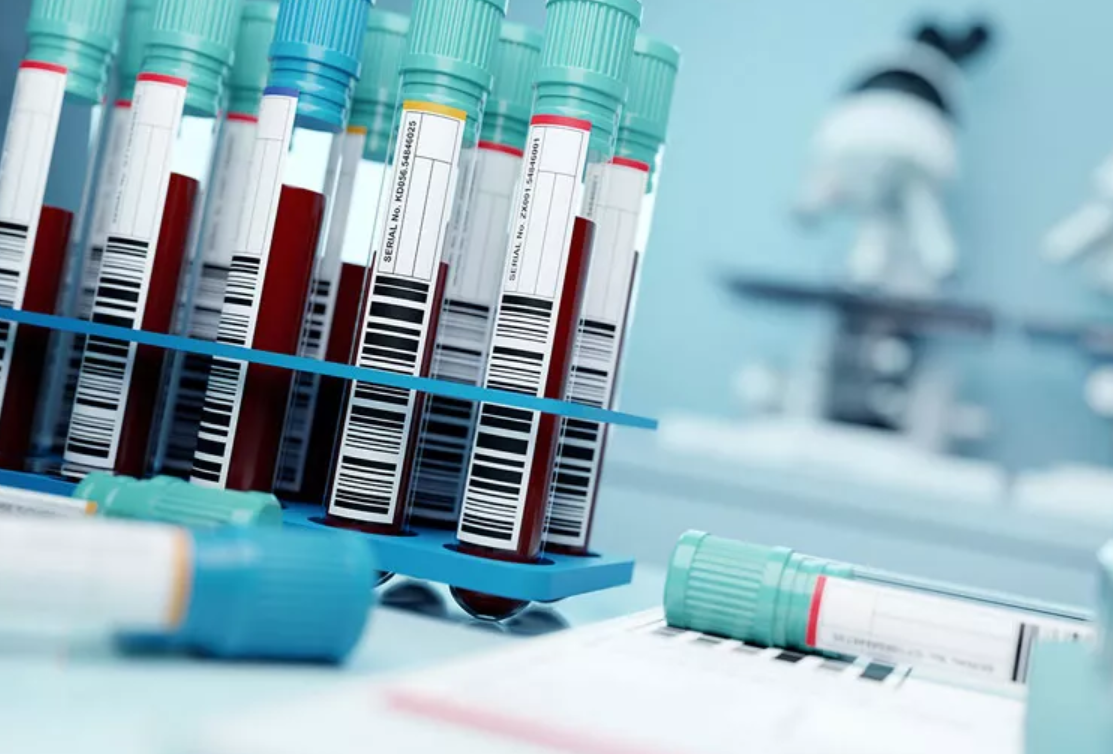

A groundbreaking blood test capable of identifying more than 50 types of cancer has delivered highly promising results in a large-scale North American trial. The innovation could mark a turning point in early cancer detection, allowing doctors to identify multiple cancer types before symptoms appear.
Revolutionary Cancer Detection Through the Galleri Test
Developed by US biotech company Grail, the test—known as Galleri—analyzes fragments of tumor DNA that circulate in the bloodstream. Over the course of a year, researchers followed 25,000 adults across the United States and Canada. The results revealed that the test could detect various cancers, including those with no current screening methods.
The Galleri test is also being evaluated in the United Kingdom through a trial led by the National Health Service (NHS).
Early Detection and Precision in Results
One of the most significant findings from the study is the test’s ability to detect cancers at early stages, when treatment tends to be most effective. The test identified more than half of the cancers in early development and detected several rare types such as ovarian, pancreatic, liver, stomach, and bladder cancers—conditions that currently lack routine screening programs.
Among those who tested positive, 62 percent were later confirmed to have cancer. Moreover, in 90 percent of confirmed cases, the test correctly identified the cancer’s origin. Equally impressive, it accurately ruled out cancer in more than 99 percent of those who tested negative.
A Paradigm Shift in Cancer Screening
Lead researcher Dr. Nima Nabavizadeh from Oregon Health & Science University said that these results suggest a transformational shift in cancer screening. By combining the Galleri test with established screening tools for breast, bowel, lung, and cervical cancers, the overall detection rate rose sevenfold.
Dr. Nabavizadeh emphasized that early intervention remains key to improving survival rates, and this test could help detect cancers long before symptoms emerge.
Expert Opinions: Optimism with Caution
While researchers are optimistic, medical experts are urging caution. Professor Clare Turnbull of The Institute of Cancer Research in London noted that randomized studies are still needed to determine whether early detection through this test translates into reduced mortality rates.
The NHS is currently conducting a larger trial involving 140,000 participants, with results expected in 2026. If the findings remain consistent, the test could be introduced to one million people across the UK.
Balancing Hope and Scientific Evidence
Although the findings have been described as “compelling,” some scientists warn against premature conclusions. Experts from Cancer Research UK cautioned about the potential risk of overdiagnosis, which could lead to unnecessary treatments for cancers that might never progress.
The UK National Screening Committee will ultimately decide whether this test should be included in routine national screening programs.
The latest findings will be showcased at the European Society for Medical Oncology Congress in Berlin. However, the full trial data are still awaiting publication in a peer-reviewed journal.
