
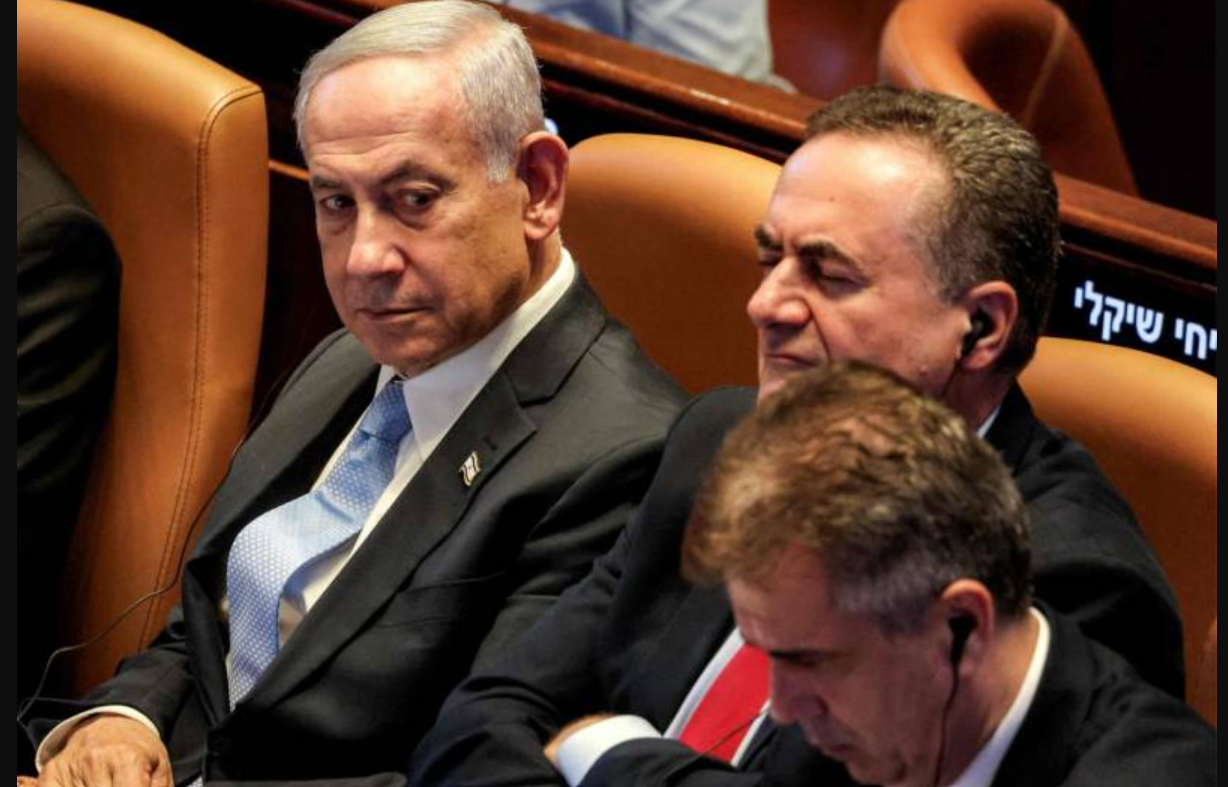

As Israel approaches elections, the ongoing war with Iran presents Prime Minister Benjamin Netanyahu with a crucial opportunity to rehabilitate his public image. Experts note that the outcome and duration of the conflict will significantly influence his political standing.
Following the targeted strike that killed Iran’s Supreme Leader Ayatollah Ali Khamenei, Netanyahu emphasized that his close ties with Washington allowed Israel to take decisive action. He described it as achieving a goal he had pursued for over 40 years.
Lingering Fallout from Gaza 2023
Netanyahu’s popularity had declined sharply after the October 7, 2023 Gaza attack. Critics argue he attempted to avoid accountability for failures that led to Israel’s deadliest day in history.
At 76, Netanyahu is Israel’s longest-serving prime minister, with over 18 years in office across multiple terms. His political resilience is well-known, but he has lacked a parliamentary majority since the summer amid tensions with ultra-Orthodox allies.
The prime minister also faces a long-standing corruption trial. He has requested a presidential pardon, with US President Donald Trump reportedly urging President Isaac Herzog to grant one.
Elections Loom Amid Wartime Calculations
Israeli law mandates elections by October 27. Analysts predict Netanyahu may call early elections to leverage wartime momentum. Emmanuel Navon, a political analyst, believes Netanyahu will act before the October 7 anniversary.
Opinion polls indicate that a Likud party led by Netanyahu could emerge ahead if elections were held today. However, forming a government remains challenging without coalition partners.
Experts suggest that a swift military success against Iran could improve Netanyahu’s position. Conversely, a prolonged conflict could weaken him.
The “Total Victory” Narrative
Netanyahu has repeatedly framed Israel’s objectives as achieving “total victory.” Independent analysts say this messaging reinforces his desired image of decisive leadership. Michael Horowitz, a geopolitical expert, notes that Netanyahu intends to make this slogan a tangible part of his national agenda and electoral strategy.
Critics, however, caution that real victories are more nuanced. Journalist Raviv Druker points out that Hamas remains in Gaza and Iran continues to pose threats, highlighting the limits of Netanyahu’s claims.
Some analysts suggest the timing of military operations may also serve to delay budget deadlines, creating additional political maneuvering ahead of elections.
Public Sentiment and Risks of Prolonged Conflict
Public tolerance for extended war with heavy casualties is low, especially amid high living costs. During last year’s conflict, Iranian missile strikes killed 30 Israelis. Retaliatory strikes since Saturday have killed 10 in Iran.
Horowitz emphasizes that Israel’s military success primarily reflects army performance and civilian resilience. The army’s popularity is rising, but this does not necessarily translate to increased support for Netanyahu himself.
High-Stakes Gamble for Leadership
Netanyahu’s political survival hinges on the war’s trajectory. A short, successful campaign could restore public confidence, while a drawn-out conflict risks undermining his electoral prospects.
Ultimately, Israel’s electorate will weigh security achievements against economic pressures and leadership accountability. Netanyahu’s ability to navigate these challenges will define both his political future and Israel’s path forward.

