

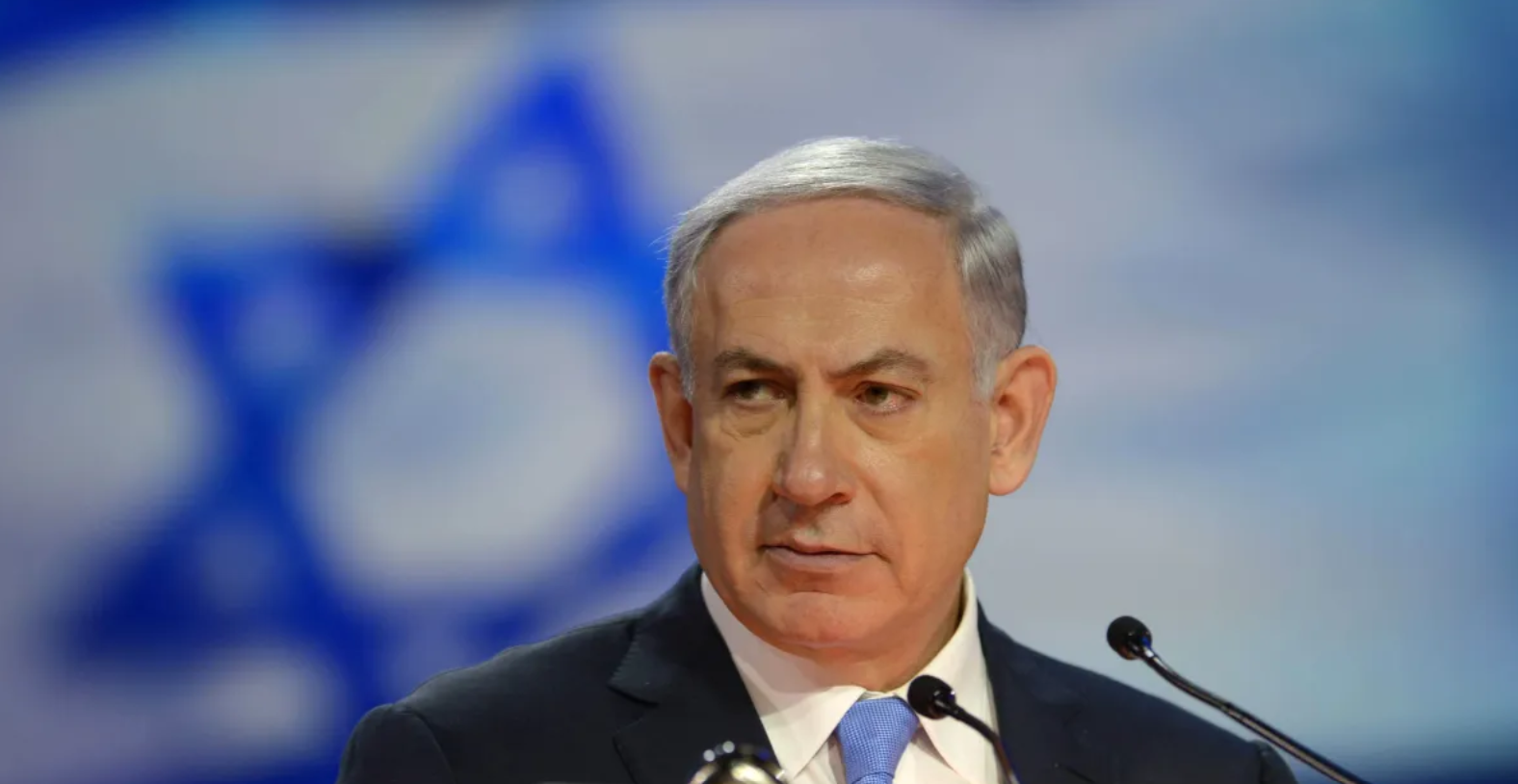

Israeli Prime Minister Benjamin Netanyahu has declined to attend the summit in Egypt aimed at ending the Gaza war. His office stated the timing conflicted with the onset of a Jewish holiday.
Netanyahu was invited by U.S. President Donald Trump to join world leaders in Sharm El Sheikh. However, he cited the holiday schedule as the reason for not participating. He expressed gratitude to Trump for the invitation and for efforts to broaden peace.
Earlier, an Egyptian official had confirmed that both Netanyahu and Palestinian President Mahmoud Abbas would attend the summit. The summit’s goal is to cement a peace agreement and pledge renewed commitments to end hostilities in Gaza.
Netanyahu’s Remarks and Justifications
Speaking in parliament, Netanyahu acknowledged the heavy cost Israel has paid in the conflict. He vowed to bring all hostages home and credited support from Trump’s team and the bravery of Israeli soldiers in making progress.
In his address, he recalled past conflicts involving India and Pakistan that lasted decades. He claimed many were resolved swiftly under his approach, reinforcing his image as someone who can end wars efficiently.
Diplomatic Context and Possible Tensions
Netanyahu’s absence injects uncertainty into the summit’s dynamics. His decision may reflect not just religious observance but also strategic diplomacy. Some observers argue that inviting him was already contentious given regional sensitivities toward Israel’s role in Gaza.
The timing around a Jewish holiday gives a convenient cover. Meanwhile, the summit still proceeds with other global and regional players committed to a resolution. With over 20 nations expected in attendance, the agenda includes laying out postwar governance, security guarantees, and humanitarian access.
What the Summit Seeks, What His Absence Means
The summit in Sharm El Sheikh aims to build on a recently brokered ceasefire and address long-term peace. Objectives include:
-
Finalizing a formal agreement to halt war
-
Outlining frameworks for rebuilding Gaza
-
Coordinating aid and relief access
-
Determining roles in postconflict security arrangements
Netanyahu’s nonattendance may reduce direct Israeli commitment at the summit, making implementation dependent on intermediaries. It might also open space for diplomatic friction — whether Arab states or Palestinian leadership assert greater influence in his stead.
