

Netanyahu Restores Access to Holy Sepulchre After Blocking Latin Patriarch on Palm Sunday
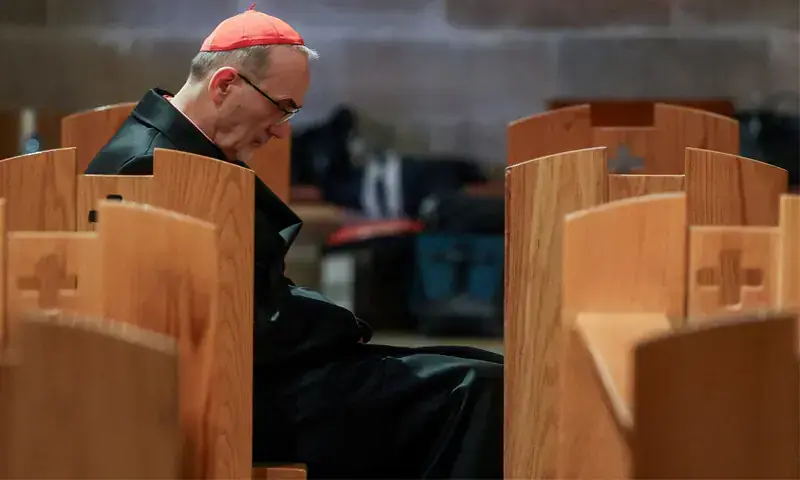
JERUSALEM: Israeli Prime Minister Benjamin Netanyahu has reversed a decision. He granted full access to the Latin Patriarch of Jerusalem after police blocked Cardinal Pierbattista Pizzaballa from entering the Church of the Holy Sepulchre on Palm Sunday.
The incident sparked strong international criticism. Israeli police had stopped the Cardinal and the Custos of the Holy Land from entering Christianity’s holiest site. Officers cited security concerns linked to the ongoing war with Iran. The conflict has brought missile strikes close to religious places in Jerusalem.
Following widespread backlash, Netanyahu announced on Monday that Cardinal Pizzaballa would receive “full and immediate access” to the holy site.
First Time in Centuries That Church Heads Were Turned Away
The Latin Patriarchate described the blocking as a “grave precedent.” In a statement, it said the Cardinal and Father Francesco Ielpo were travelling privately. They were not part of any large procession. Despite this, police forced them to turn back at the entrance.
Later, Cardinal Pizzaballa held a Palm Sunday service at the Church of All Nations on the Mount of Olives. He told worshippers, “War will not erase the resurrection. Grief will not extinguish hope.”
The traditional Palm Sunday procession from the Mount of Olives into Jerusalem usually attracts thousands of pilgrims. However, it was cancelled this year due to the war.
Security Concerns Cited Amid War with Iran
Israeli police said all holy sites in Jerusalem have remained closed since the war began. They explained that the Old City is a difficult area for emergency vehicles to reach quickly. This could put lives at risk during any mass casualty incident.
Netanyahu defended the initial decision. He said Iran has fired ballistic missiles toward Jerusalem’s holy sites in recent days. He also shared that missile fragments were found near the Church of the Holy Sepulchre on March 16.
However, many world leaders condemned the move. EU foreign policy chief Kaja Kallas called it a “violation of religious freedom.” Leaders from France, Spain, Italy, and Jordan also expressed strong disapproval.
Netanyahu’s office later clarified that there was “no malicious intent” behind the initial restriction. With access now restored, attention turns to whether normal religious activities can resume safely in the coming days of Holy Week.

