

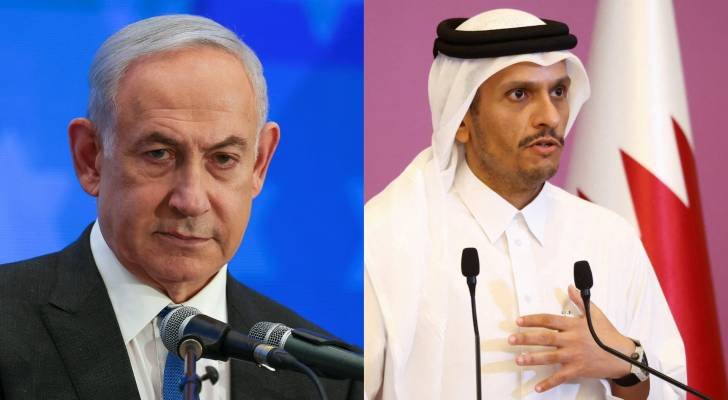

Israeli Prime Minister Benjamin Netanyahu has formally apologized to Qatar’s Prime Minister Mohammed bin Abdulrahman bin Jassim Al Thani for the September 9 strike on Doha, which left six people dead, including the son of senior Hamas leader Khalil al-Hayya and a Qatari security officer.
The incident, widely condemned across the Arab world, had been described as a violation of Qatari sovereignty and jeopardized Qatar’s role as a mediator in the ongoing Gaza conflict.
According to reports by Reuters, Axios, and Israel’s Channel 12, the apology was delivered during a phone call from the White House, where Netanyahu was meeting U.S. President Donald Trump. The call reportedly lasted several minutes and was facilitated by Trump, who has been seeking to calm tensions in the region while pushing for a Gaza ceasefire plan.
Netanyahu expressed regret over the loss of civilian life and stressed that Israel had not intended to harm Qatari citizens or violate the country’s sovereignty. Israeli state media confirmed that Netanyahu assured Al Thani the strike would not be repeated.
The White House later issued a statement noting that Trump had hosted a trilateral call between Netanyahu and Al Thani, where both leaders agreed to establish a mechanism for improving Israel-Qatar relations and addressing future grievances.
The Qatari prime minister, while welcoming Netanyahu’s assurances, reiterated Qatar’s readiness to play a constructive role in regional security and conflict resolution. This statement marked a significant shift, as Doha had suspended its mediation efforts after the September 9 strike, insisting that Israel issue a formal apology before resuming its role.
The strike, intended to eliminate senior Hamas leaders believed to be in Doha, failed to achieve its objectives. Instead, it resulted in the deaths of lower-level Hamas members and sparked outrage across the Arab world. For Qatar, the attack represented a breach of sovereignty and undermined its credibility as a neutral mediator.
Analysts suggest that Netanyahu’s rare apology is a pragmatic step to restore Qatar’s role in mediation, particularly in ongoing efforts to secure a Gaza ceasefire and negotiate the release of hostages. With Qatar being one of the few actors trusted by both Hamas and the West, its involvement is considered crucial for advancing peace talks.
The White House emphasized that both Israel and Qatar had agreed to Trump’s proposal to move forward constructively, signaling that despite the deep mistrust created by the strike, diplomatic channels remain open. The apology could therefore mark a turning point, enabling Qatar to reengage in shuttle diplomacy at a time when regional tensions remain high.
