

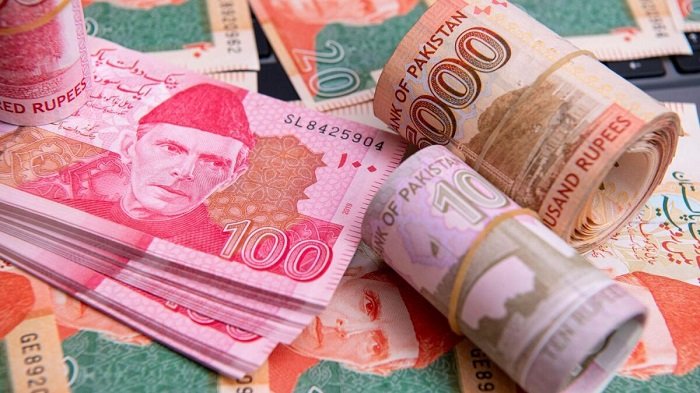

Power Tariff
ISLAMABAD: The National Electric Power Regulatory Authority (Nepra) allowed the federal government to raise the power tariff by Rs3.28 per unit for all consumers. This increase will be valid nationwide for a period of six months, spanning from October 2023 to March 2024. This adjustment will have an additional financial impact exceeding Rs200 billion.
This rate increase has been authorized under the quarterly tariff adjustment mechanism to cover the extra expenses incurred due to factors such as currency devaluation, interest rate hikes, and other related issues affecting capacity charges.
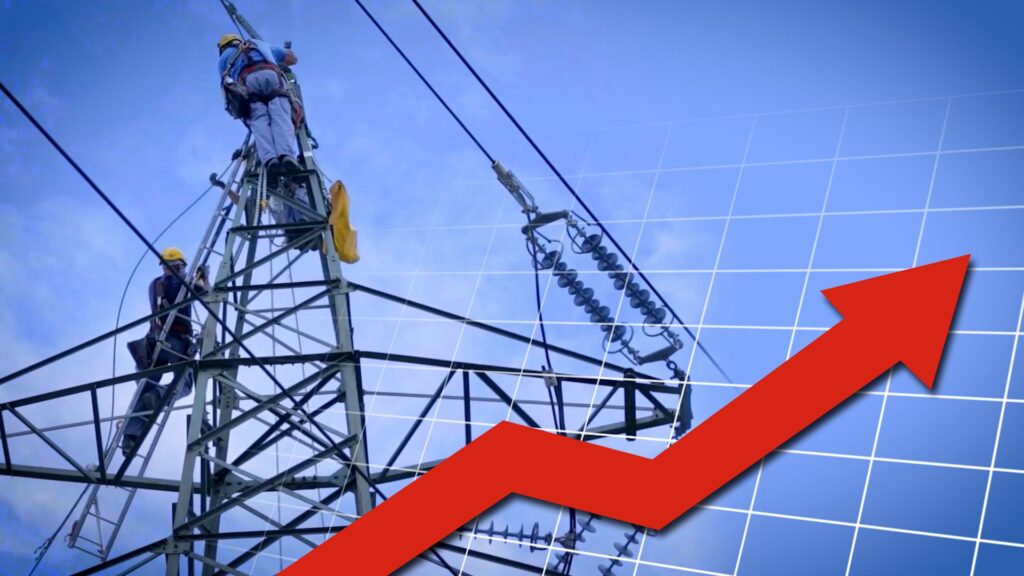
NEPRA further raises power tariff from 1st of October 2023.
Originally, the power division of the energy ministry had requested a Rs6.20 per unit adjustment for the fourth quarter of the 2022-23 fiscal year for former Wapda distribution companies (Discos) to bridge a financing gap of Rs146 billion within three months.
However, in response to public outcry over the steep tariff increase, they later proposed a gradual recovery at a rate of Rs3.55 per unit over six months.
Subsequently, the power division also petitioned Nepra to apply similar rates to K-Electric. After conducting public hearings and analyzing data, Nepra determined a positive adjustment of Rs135.584 billion for the fourth quarter of FY 2022-23.
This adjustment covers capacity charges, variable operations, and maintenance costs, additional recovery on incremental sales, use of system charges, market operator fees, and the impact of fuel cost adjustments on transmission and distribution losses.
Nepra communicated its decision to the power division for the implementation of revised rates effective from October 1, 2023.
When considering an 18% Goods and Services Tax (GST), the additional impact on Discos’ consumers amounts to approximately Rs160 billion at a rate of Rs3.87 per unit.
While the financial impact of applying the same rates to K-Electric consumers was not disclosed by the government or Nepra, an official mentioned it would be slightly over Rs40 billion, bringing the total financial impact to over Rs200 billion.
It is important to note that no quarterly adjustments will be imposed on industrial consumers in the Bl, B2, B3, and B4 categories to the extent of incremental sales for the duration of the package.
This QTA additional charge is in addition to the previously implemented increase of up to Rs7.5 per unit in electricity rates that took effect on July 1, 2023. It will result in a financial impact of Rs890 billion on the consumers. It will be excluding the 18% GST and subsequent monthly fuel price adjustments.
One of the significant factors contributing to the additional quarterly cost, as reported by distribution companies (Discos) and the power division team, was the 13% lower electricity consumption by Discos compared to the estimates made by relevant authorities when setting the reference rates.
The estimated sale of 37,645 gigawatt hours (GWh) for the April-June 2023 period fell short, with only 32,661 GWh actually sold.
